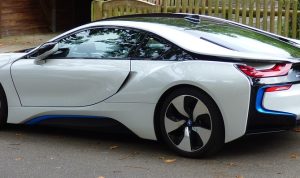
“carbon fibre interior trim for Porsche” – Carbon fibre interior trim for Porsche embodies the perfect fusion of luxury and performance, capturing the essence of sophistication in automotive design. This high-tech material not only enhances the aesthetic appeal but also contributes to the overall performance of your vehicle, setting it apart from traditional interior options.
Renowned for its lightweight yet durable composition, carbon fibre is meticulously manufactured to meet the unique needs of automotive applications. With its striking visual appeal and superior qualities, carbon fibre is becoming the go-to choice for discerning Porsche owners looking to elevate their driving experience.
Overview of Carbon Fibre Interior Trim
Carbon fibre interior trim has emerged as a hallmark of luxury and performance in the automotive world, particularly for brands like Porsche. This advanced material combines exceptional strength and lightweight properties, making it the ideal choice for enhancing the aesthetics and functionality of high-end vehicles. Its unique characteristics not only elevate the driving experience but also signify a commitment to cutting-edge technology and design.The manufacturing process of carbon fibre involves several intricate steps, starting with the creation of carbon fibre strands from polyacrylonitrile (PAN).
For all your filming needs, explore our comprehensive photography accessories online store USA. From lighting kits to lenses, we offer everything to enhance your photography experience. Shop conveniently and find high-quality products that help you capture the perfect shot every time. Unleash your creativity with us!
These strands are then woven into a fabric or layered in a mold, followed by a curing process that solidifies the material into a strong, rigid structure. This method allows for precise control over the material’s characteristics, ensuring that it meets the rigorous demands of automotive applications, including heat resistance, durability, and weight efficiency.
Characteristics and Benefits of Carbon Fibre
Carbon fibre is renowned for its remarkable features that set it apart from traditional materials. The following highlights its key characteristics and benefits:
- Lightweight: Carbon fibre is significantly lighter than aluminum and steel, contributing to improved vehicle performance and fuel efficiency.
- High Strength: Its tensile strength allows for a robust design, ensuring that the interior components withstand wear and tear while maintaining structural integrity.
- Corrosion Resistance: Unlike metals, carbon fibre does not rust or corrode, offering longevity and reducing maintenance costs.
- Temperature Tolerance: It can withstand extreme temperatures, making it ideal for use in performance vehicles that experience high thermal stress.
- Customization Potential: Carbon fibre can be molded into various shapes and finished in different textures, enabling unique designs tailored to individual preferences.
Aesthetic Appeal of Carbon Fibre Interior Trim
The visual allure of carbon fibre is undeniable. Its striking weave patterns and glossy finish lend an air of sophistication and modernity to luxury vehicles, making it a popular choice for interior accents. This material not only enhances the visual appeal but also complements the high-performance ethos of brands like Porsche.The use of carbon fibre in interior trim manifests in several ways, from dashboard panels to gear shifters, creating a cohesive and sporty aesthetic.
The finish can be further enhanced with a range of coating options, such as matte or high-gloss, allowing for personalization that aligns with the vehicle’s overall design theme.
“Carbon fibre interior trim represents the perfect blend of performance and luxury, bringing an unparalleled driving experience to discerning enthusiasts.”
For those seeking to elevate their vehicle’s interior, carbon fibre trim serves as a testament to modern engineering and craftsmanship, offering both style and functionality that can transform any drive into an extraordinary journey.
Application in Porsche Vehicles
Carbon fibre has become a hallmark of innovation and luxury in the automotive industry, particularly within the prestigious lineup of Porsche vehicles. Its application in various models not only enhances the aesthetic appeal but also significantly contributes to performance optimization. The incorporation of carbon fibre is a testament to Porsche’s commitment to engineering excellence and design sophistication.Porsche utilizes carbon fibre trim extensively across its product range, including the iconic 911, the high-performance 718 series, and the luxurious Panamera.
Each model showcases the versatility of carbon fibre, integrating it into dashboard components, door panels, and center consoles. This not only reduces vehicle weight but also adds a modern touch to the interior, aligning with Porsche’s dynamic branding.
Advantages of Carbon Fibre Trim
The advantages of carbon fibre trim are manifold, profoundly impacting both performance and style. The lightweight nature of carbon fibre contributes to improved agility and responsiveness, which are crucial in high-performance sports cars. The reduced weight enables better acceleration and handling, enhancing the overall driving experience.In addition to performance benefits, carbon fibre provides an upscale aesthetic that complements Porsche’s luxurious interiors.
The distinct weave pattern and glossy finish of carbon fibre create an impression of exclusivity, making every journey a statement of style.Key benefits of carbon fibre trim in Porsche vehicles include:
- Weight Reduction: Carbon fibre is significantly lighter than traditional materials, resulting in improved speed and fuel efficiency.
- Enhanced Durability: Resistant to corrosion and wear, carbon fibre ensures longevity and maintains its appearance over time.
- Improved Aesthetics: The sleek design and unique texture of carbon fibre elevate the interior appeal, defining a sporty yet luxurious vibe.
- Performance Optimization: The reduction in weight contributes to better handling and acceleration, enhancing the driving dynamics of Porsche models.
Unique Features of Porsche’s Carbon Fibre Interior Offerings
Porsche’s carbon fibre interior offerings come with unique features designed to enhance both functionality and luxury. These features are tailored to meet the expectations of discerning drivers who demand both performance and style.One distinctive aspect is the customization options available for carbon fibre trim. Customers can select different finishes, such as matte or gloss, allowing for personalization that aligns with their individual taste.
Additionally, certain models offer carbon fibre bundles that encompass multiple interior elements, creating a cohesive and sophisticated look.Another unique offering is the integration of carbon fibre into the vehicle’s design philosophy. For instance, in the Porsche 911 GT3, carbon fibre is not merely an aesthetic choice but also strategically placed to optimize weight distribution and enhance performance, showcasing Porsche’s dedication to blending design with functionality.Incorporating carbon fibre into Porsche’s interiors not only reflects a commitment to innovation but also illustrates how each detail is meticulously crafted to provide an exceptional driving experience.
The seamless fusion of high performance and luxury defines what it means to drive a Porsche.
Comparison with Other Interior Materials
When it comes to luxury vehicles like Porsche, the choice of interior materials significantly impacts aesthetics, performance, and overall driving experience. Carbon fibre stands out as a premium option, but how does it stack up against traditional materials such as leather and plastic? This comparison covers durability, weight, and cost implications to showcase why carbon fibre is the choice for discerning drivers.
Durability of Carbon Fibre vs. Traditional Materials
Durability is a critical factor in real-world driving conditions where interiors face wear and tear. Carbon fibre is renowned for its exceptional strength-to-weight ratio, making it far more resistant to damage compared to traditional materials.
- Carbon Fibre: Offers high tensile strength and is impact-resistant, ensuring it maintains its aesthetic and structural integrity over time.
- Leather: While premium and soft, it is susceptible to scratches, fading, and wear. It requires regular maintenance to preserve its appearance.
- Plastic: Although affordable and resistant to water, it often lacks the longevity and robustness of carbon fibre, leading to potential cracking or discoloration under UV exposure.
“Carbon fibre is not only a lightweight choice but also a long-lasting material that outperforms leather and plastic in durability.”
Weight Differences Between Materials
The weight of interior materials directly affects vehicle performance, including acceleration and fuel efficiency. Carbon fibre is significantly lighter than both leather and plastic, contributing to enhanced performance metrics.
- Carbon Fibre: Weighs approximately 50% less than traditional materials, allowing for improved power-to-weight ratios.
- Leather: Although luxurious, adds considerable weight to the vehicle, which can impact handling and responsiveness.
- Plastic: While lighter than leather, it still does not match the lightweight benefits of carbon fibre.
“Utilizing carbon fibre in Porsche interiors not only enhances the luxury feel but also optimizes performance through weight reduction.”
Cost Implications of Carbon Fibre
While the initial investment in carbon fibre components may be higher than leather or plastic, the long-term benefits justify the cost. Understanding the financial implications is crucial for potential buyers.
- Carbon Fibre: Higher upfront cost due to the complex manufacturing process, but offers better resale value and durability leading to lower long-term costs.
- Leather: Initially less expensive but can incur maintenance costs and may require replacement after several years, affecting overall lifetime investment.
- Plastic: The least expensive option, but often requires replacement and can diminish the vehicle’s value due to wear and tear.
“Investing in carbon fibre is not just a choice for luxury; it is a strategic decision for long-term value and performance.”
Customization and Personalization Options
Porsche owners are known for their desire to stand out and make their vehicles truly their own. The introduction of carbon fibre interior trim brings an exciting array of customization options, allowing enthusiasts to reflect their unique style and preferences. With a combination of cutting-edge technology and exquisite craftsmanship, the possibilities for personalizing your Porsche’s interior are endless.Customization options for carbon fibre interior trim in Porsche vehicles are designed to cater to individual tastes and enhance the driving experience.
Customers can select from various carbon fibre finishes, including gloss, matte, and textured surfaces, ensuring that every detail aligns with their vision. Furthermore, Porsche offers the ability to design unique trim patterns that can incorporate personal motifs or colors. This level of personalization transforms the cabin into a bespoke environment that resonates with the owner’s character.
Unique Trim Patterns and Finishes
The process of creating custom trim patterns and finishes allows Porsche owners to truly showcase their individuality. Here are the key aspects of this exciting customization journey:
- Individualized Design: Customers can work with Porsche’s design team to create personalized patterns that reflect their taste, whether it be minimalist elegance or bold statement pieces.
- Color Variations: Beyond the standard carbon fibre finishes, there is an opportunity to select unique colors that complement the vehicle’s exterior or personal style.
- Textured Options: Different textures can be applied to the carbon fibre, providing not just a visual appeal but also a tactile experience that enhances the luxurious feel of the interior.
In addition to factory options, the aftermarket scene for Porsche carbon fibre trim products has flourished, offering even more avenues for personalization. High-quality aftermarket parts allow customers to explore a range of styles and finishes, often at competitive prices. This growing market provides Porsche enthusiasts with an array of choices, including lighter weight alternatives and unique design collaborations with renowned aftermarket brands.
The world of customization is not just about aesthetics; it’s about making your Porsche a true reflection of who you are.
With the combination of factory and aftermarket options, Porsche owners can create a one-of-a-kind interior that perfectly matches their vision, ensuring that every drive is a special experience. The integration of carbon fibre trim not only enhances the aesthetic appeal of the interior but also elevates the overall driving experience, making it as unique as the individuals behind the wheel.
Maintenance and Care for Carbon Fibre Trim: “carbon Fibre Interior Trim For Porsche”
Maintaining the pristine appearance and functionality of carbon fibre interior trim in your Porsche is essential for preserving its luxury appeal. With a few simple care strategies, you can ensure that your carbon fibre surfaces remain in top condition, enhancing both the visual and tactile experience of your driving environment.Cleaning carbon fibre surfaces requires special attention to maintain their unique qualities.
Unlike traditional materials, carbon fibre can be sensitive to harsh cleaning products. To keep your trim looking its best, it is crucial to follow a few specific guidelines.
Cleaning and Maintenance Guide
Regular cleaning is vital to avoid the accumulation of dirt and grime on carbon fibre surfaces. Use a soft microfiber cloth and a gentle cleaner specifically designed for automotive interiors. Avoid abrasive materials which can scratch the surface. The following steps Artikel the effective cleaning process:
1. Dusting
Use a dry microfiber cloth to remove any loose dirt or dust from the carbon fibre surface.
2. Cleaning Solution
Mix a mild automotive-safe cleaner with water, ensuring it is free from ammonia or bleach.
3. Wiping
Dampen a microfiber cloth with the cleaning solution and gently wipe the carbon fibre trim in a circular motion.
4. Drying
Ready to create amazing content for your YouTube channel? Discover the best options to buy professional video camera for YouTube. With advanced features and exceptional quality, your videos will stand out and engage your audience like never before. Equip yourself with the tools you need for success in the digital world.
Immediately dry the surface with another clean microfiber cloth to prevent water spots or streaks.
5. Polishing
For added shine, use a specialized carbon fibre polish after cleaning to enhance the trim’s appearance further.
Elevate your photography game with our top-quality buy studio backdrop kit USA. Perfectly designed for both amateurs and professionals, this kit provides the ideal backdrop for any shoot. Capture stunning visuals effortlessly, and take your creativity to new heights. Don’t miss out on the chance to transform your studio setup today!
Common Mistakes to Avoid
While caring for your carbon fibre trim, it’s easy to make common mistakes that can lead to damage. Recognizing these pitfalls is essential for effective maintenance:
Using Harsh Cleaners
Avoid all-purpose or strong chemical cleaners that can damage the finish of carbon fibre.
Scrubbing
Refrain from scrubbing the surface aggressively as this can scratch and dull the material.
Neglecting Regular Maintenance
Failing to clean regularly can lead to the build-up of grime, making it more difficult to remove and potentially causing long-term damage.
Ignoring UV Protection
Sunlight can degrade the finish of carbon fibre. Use UV protectants to shield your trim from harmful rays.
Forgetting to Dry Thoroughly
Leaving moisture on carbon fibre can lead to water spots and potential damage over time.
Regular Maintenance Checklist
Establishing a regular maintenance routine is crucial for the longevity of your carbon fibre trim. The following checklist Artikels essential tasks to keep your interior in impeccable shape:
Weekly
Dust surfaces with a dry microfiber cloth.
Monthly
Clean with a suitable cleaner and polish the surface.
Quarterly
Inspect for any signs of wear or damage, and apply a UV protectant.
Annually
Professional detailing can provide an in-depth clean and restore any faded areas.Implementing these maintenance practices will ensure that your carbon fibre interior trim not only looks stunning but also retains its integrity and performance for years to come. By focusing on proper care, you set the stage for an exceptional driving experience in your Porsche.
Environmental Considerations
The growing awareness of environmental sustainability in the automotive industry has led to a deeper examination of material choices, including the production and disposal of carbon fibre interior trim. While carbon fibre offers exceptional strength-to-weight ratios and aesthetic appeal for Porsche vehicles, it is essential to evaluate its environmental impact, recycling possibilities, and sustainable practices in its production.
Environmental Impact of Carbon Fibre Production
The production of carbon fibre is often cited for its environmental footprint when compared to traditional materials like steel and aluminum. The process is energy-intensive, primarily due to the high temperatures required for processing. However, advancements in manufacturing techniques have begun to reduce energy consumption. It’s crucial to acknowledge that while carbon fibre production generates emissions, its lightweight properties contribute significantly to fuel efficiency in vehicles.
This paradox means that over the lifespan of a vehicle, the fuel savings from reduced weight can mitigate the initial carbon footprint of the carbon fibre used.
“Carbon fibre’s lightweight characteristics can lead to significant reductions in greenhouse gas emissions over a vehicle’s lifetime.”
Recycling Possibilities of Carbon Fibre, “carbon fibre interior trim for Porsche”
Recycling carbon fibre remains a challenge due to its composition and the complexity of breaking down the material. However, innovative methods are being developed that allow for the reuse of carbon fibre in various applications. The automotive industry is exploring ways to reclaim carbon fibre from end-of-life vehicles, transforming it into new products or reinforcing other materials. This not only diverts waste from landfills but also provides a sustainable resource for new manufacturing processes.
- Mechanical recycling: Involves grinding down carbon fibre materials to create short fibres that can be used in composite materials.
- Chemical recycling: Uses solvents to break down carbon fibre into its original polymers, allowing for regeneration and reuse.
- Thermal recycling: Incinerates carbon fibre to recover energy, though this method is less sustainable compared to others.
Sustainable Practices in Carbon Fibre Production
The carbon fibre industry is increasingly adopting sustainable practices to minimize its environmental impact. Manufacturers are investing in cleaner production technologies and renewable energy sources to power their facilities. Furthermore, the use of bio-based precursors for carbon fibre production is gaining traction, substituting traditional petroleum-based feedstocks with sustainable alternatives. These practices not only enhance the environmental profile of carbon fibre but also meet the growing consumer demand for eco-friendly automotive options.
“Sustainable practices in carbon fibre production are paving the way for a greener future in the automotive industry.”
By focusing on these environmental considerations, Porsche’s carbon fibre interior trim emerges not only as a luxury option but also as a part of a broader commitment to sustainability in the automotive sector.
Future Trends in Automotive Interior Design
In the rapidly evolving landscape of automotive design, carbon fibre is becoming a cornerstone material, particularly in luxury vehicle interiors. As manufacturers seek to blend aesthetics, performance, and sustainability, carbon fibre’s unique properties position it favorably for future applications. The incorporation of this material not only enhances the visual appeal of vehicle interiors but also contributes to weight reduction and improved performance.Technological advancements are significantly shaping how carbon fibre is utilized within car interiors.
Innovative manufacturing techniques, such as 3D printing and automated fibre placement, are enabling designers to create intricate shapes and structures that were previously unattainable. As these technologies mature, the potential for customization rises, allowing for more personalized touches in luxury vehicles.
Emerging Trends in Carbon Fibre Applications
The adoption of carbon fibre in automotive interiors is on the rise, driven by several key trends that are redefining vehicle aesthetics and functionality. One prominent trend is the use of carbon fibre in combination with other materials to create a harmonious blend of luxury and sportiness. This hybrid approach not only retains the lightweight and durable advantages of carbon fibre but also introduces warmth and texture through materials such as leather or wood.The following factors are shaping the future of carbon fibre in automotive interiors:
- Smart Materials Integration: The integration of carbon fibre with smart technologies, such as touch-sensitive surfaces and embedded sensors, is set to enhance user experience. This fusion can provide interactive interfaces that respond to user commands, creating a more immersive driving environment.
- Sustainability Focus: With increasing environmental awareness, manufacturers are exploring eco-friendly carbon fibre alternatives, including bio-composites. These materials maintain the performance characteristics of traditional carbon fibre while reducing environmental impact.
- Customization Capabilities: Advances in digital fabrication techniques allow for greater customization options in carbon fibre design. Customers can select patterns, finishes, and even textures, ensuring their vehicle interiors reflect personal style.
- Lightweighting Strategies: As the automotive industry shifts towards electrification, reducing weight without sacrificing structural integrity is crucial. Carbon fibre’s lightweight properties make it an ideal candidate for future interior applications, contributing to improved energy efficiency.
The focus on luxury and performance in high-end automobiles will continue to drive innovation in carbon fibre usage. As brands like Porsche push the envelope, we can expect to see more intricate designs, further blending of materials, and a heightened level of personalization in automotive interiors.
“The future of luxury automotive interiors lies in a seamless blend of technology, sustainability, and personalization, with carbon fibre leading the way.”
Essential FAQs
What are the benefits of carbon fibre interior trim?
Carbon fibre interior trim is lightweight, highly durable, and offers a unique aesthetic that enhances the luxury feel of a vehicle.
How is carbon fibre manufactured for automotive use?
Carbon fibre is produced through a complex process that involves spinning and weaving carbon strands, followed by curing in a resin, which solidifies its structure for automotive applications.
Can I customize carbon fibre trim in my Porsche?
Yes, many manufacturers offer customization options for carbon fibre trim, allowing you to choose unique patterns and finishes to suit your personal style.
How do I maintain carbon fibre interior trim?
To maintain carbon fibre trim, use a mild cleaner and microfiber cloth; avoid harsh chemicals and abrasive materials that can damage the surface.
Is carbon fibre trim environmentally friendly?
While the production of carbon fibre has environmental impacts, advancements are being made in recycling and using sustainable practices in its manufacturing.