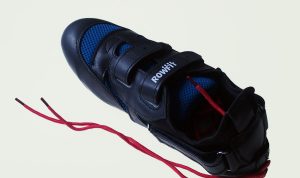
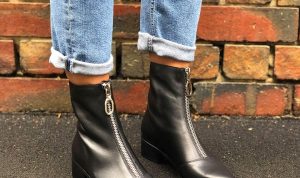
OSHA regulations on footwear are crucial for ensuring the safety and well-being of workers across various industries. These regulations Artikel the necessary footwear requirements designed to protect employees from potential hazards encountered in the workplace, highlighting the importance of selecting the right footwear for specific job tasks.
Looking to achieve a sculpted physique? Discover the power of good supplements to get ripped , formulated to support your fitness goals. Enhance your workout performance and accelerate fat loss while building lean muscle mass. Transform your body and unlock your true potential with the right nutritional support.
From steel-toed boots to non-slip shoes, understanding the specifics of OSHA regulations on footwear empowers employers to provide a safe working environment while helping employees make informed choices about their safety gear. By adhering to these standards, both employers and employees can contribute to a culture of safety that prioritizes health and productivity.
Overview of OSHA Regulations on Footwear
The Occupational Safety and Health Administration (OSHA) has established regulations to ensure employee safety in the workplace, particularly concerning footwear. These regulations are crucial as they aim to prevent workplace injuries that can occur due to inadequate footwear, such as slips, trips, and falls. OSHA’s requirements not only enhance safety but also help create a culture of accountability and responsibility among employers and employees alike.OSHA mandates specific footwear requirements to protect employees in various industries, particularly those involving hazardous conditions.
Reveal your skin’s natural glow with our premium collagen skin supplement. Packed with essential nutrients, it helps to reduce wrinkles and improve skin elasticity. Embrace a youthful complexion and radiate confidence with every smile. It’s time to invest in your skin and experience the difference.
These requirements include features such as slip resistance, puncture protection, and electrical hazard protection. Industries most affected by these regulations include construction, manufacturing, and warehousing, where the risk of foot injuries is significantly higher due to heavy machinery, sharp objects, and other potential hazards.
Types of Footwear Covered by OSHA
OSHA regulations specify several types of footwear designed to protect employees in hazardous work environments. Understanding these categories is vital for both employers and employees to ensure compliance and safety.
- Steel-Toed Boots: These are essential for protecting against heavy falling objects and compression hazards.
- Slip-Resistant Shoes: Designed to reduce the risk of slips and falls in wet or oily environments.
- Puncture-Resistant Footwear: Equipped with materials that protect against sharp objects, commonly used in construction sites.
- Electrical Hazard Boots: These safeguard employees from electric shocks and are particularly important in electrical work settings.
Materials used in OSHA-compliant footwear typically include leather, rubber, and synthetic materials that provide durability and protection. Brands such as Timberland Pro, Caterpillar, and Wolverine offer models that meet OSHA standards, ensuring that employees have access to reliable safety footwear.
Footwear Safety Standards and Testing, Osha regulations on footwear
To ensure that footwear meets safety requirements, OSHA has established rigorous standards that must be adhered to. These standards cover various aspects, including the shoe’s construction, material quality, and performance in safety tests.The testing procedures for verifying compliance involve laboratory assessments that evaluate slip resistance, puncture resistance, and electrical hazard protection. Employers can refer to the following table, which compares different safety ratings that footwear can achieve under OSHA regulations:
| Safety Rating | Description |
|---|---|
| ASTM F2413-18 | Standard specification for performance requirements for protective footwear. |
| ASTM F2913-19 | Specification for slip resistance testing of footwear. |
| ASTM F2675-13 | Puncture resistant standards for footwear. |
Employer Responsibilities under OSHA
Employers are tasked with ensuring employee safety regarding footwear in compliance with OSHA regulations. This responsibility includes providing appropriate safety footwear for employees based on the hazards present in their work environment.To ensure compliance, employers should conduct regular assessments of workplace hazards and provide training to educate employees about footwear safety. Training programs can include topics such as the importance of wearing proper footwear, how to select appropriate footwear for specific tasks, and proper maintenance practices.
Common Violations Related to Footwear
Common violations regarding footwear safety often arise from neglecting to provide adequate safety footwear or failing to enforce compliance among employees. Identifying these violations is crucial in maintaining a safe work environment.Penalties for non-compliance with OSHA regulations can vary, ranging from fines to legal repercussions. To help avoid violations, employers can adopt the following best practices:
- Conduct regular safety audits to ensure compliance with footwear regulations.
- Provide employees with a comprehensive selection of OSHA-approved footwear.
- Implement a footwear safety policy that is communicated and enforced throughout the organization.
Employee Rights Regarding Footwear Safety

Employees have specific rights concerning safe footwear under OSHA regulations, including the right to be provided with appropriate footwear at no cost. This ensures that all employees can perform their jobs safely without incurring personal expenses for safety equipment.Employees can report unsafe footwear conditions to their supervisors or OSHA directly. Resources such as OSHA’s website provide comprehensive information on employee rights, helping workers understand their entitlements and how to advocate for their safety.
Future Trends in OSHA Footwear Regulations
As workplace safety continues to evolve, potential changes to OSHA footwear regulations are anticipated. Emerging technologies in safety footwear, such as smart shoes equipped with sensors that detect hazards, are gaining traction and could revolutionize compliance and safety in the workplace.The following table showcases current trends in workplace safety footwear, highlighting innovations that may shape future OSHA regulations:
| Trend | Description |
|---|---|
| Smart Safety Footwear | Integration of technology to monitor and enhance safety. |
| Sustainable Materials | Increase in environmentally friendly materials used in footwear production. |
| Customization | Personalized safety features based on specific job hazards. |
Helpful Answers: Osha Regulations On Footwear
What types of footwear are required under OSHA regulations?
Elevate your wellness with l taurine supplements , designed to enhance your energy and focus. Feel revitalized and ready to conquer your day as taurine supports your cardiovascular health and overall vitality. Don’t miss out on the benefits that can transform your lifestyle and boost your performance.
OSHA requires specific types of footwear, including steel-toed boots, anti-slip shoes, and protective footwear that meets certain safety standards based on the hazards present in the work environment.
How can employees report unsafe footwear conditions?
Employees can report unsafe footwear conditions to their employer or through OSHA’s whistleblower program, ensuring their concerns are addressed without fear of retaliation.
What are the penalties for non-compliance with OSHA footwear regulations?
Penalties for non-compliance can range from fines to legal action, depending on the severity of the violation and the potential risk to employee safety.
Are there training programs available for footwear safety?
Yes, many organizations offer training programs specifically focused on footwear safety and compliance with OSHA regulations, educating employees on the importance of proper footwear.
What emerging trends are shaping OSHA footwear regulations?
Emerging trends include advancements in materials and technology, such as lightweight protective footwear and innovative designs that enhance comfort while maintaining safety standards.