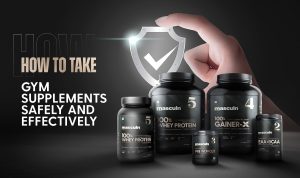
Recovery supplements for sore muscles offer a powerful solution for athletes and fitness enthusiasts alike, helping to soothe and rejuvenate tired muscles after intense workouts. These specially formulated supplements are designed to enhance recovery, reduce soreness, and improve overall performance, allowing you to get back to your fitness routine faster and stronger. With a variety of options available, understanding the benefits and ingredients of these supplements can unlock the potential for a quicker recovery.
From protein powders to amino acids, recovery supplements come equipped with an array of ingredients that play crucial roles in muscle healing and growth. Whether you’re battling soreness from a challenging workout or simply looking to optimize your recovery process, these supplements provide the support your body craves.
If you’re struggling with pigmentation, discover the power of Korean skincare for pigmentation. These innovative products are designed to brighten your skin and even out tone, giving you that radiant glow. Pair your skincare routine with the right nutrition and consider exploring the top 5 fat loss supplements for a holistic approach to health and beauty.
Introduction to Recovery Supplements
Recovery supplements play a crucial role in supporting muscle recovery after intense workouts. Their primary purpose is to expedite the healing process of sore muscles, allowing athletes and fitness enthusiasts to return to their training schedules more effectively. Recovery supplements come in various forms, each designed to address specific recovery needs, and they offer numerous benefits when consumed post-exercise.Recovery supplements are available in several types, including protein powders, amino acids, and electrolyte solutions.
Each type serves a unique function; for instance, protein powders help repair and build muscle tissue, while amino acids and electrolytes assist in replenishing lost nutrients and fluids. Utilizing these supplements after a strenuous workout can lead to reduced muscle soreness, improved muscle repair, and enhanced overall performance in subsequent training sessions.
Popular Ingredients in Recovery Supplements
Key ingredients in recovery supplements significantly influence their effectiveness. The most common components include:
- Protein: Essential for muscle repair and growth, protein is the cornerstone of recovery supplements. It provides the amino acids necessary for rebuilding muscle fibers.
- BCAAs (Branched-Chain Amino Acids): These amino acids—leucine, isoleucine, and valine—help reduce muscle soreness and stimulate muscle protein synthesis.
- Glutamine: This amino acid plays a vital role in immune support and muscle recovery, helping to prevent muscle breakdown.
- Electrolytes: Crucial for hydration, electrolytes such as sodium, potassium, and magnesium help replace minerals lost through sweat, preventing cramping and fatigue.
When considering recovery supplements, it’s important to evaluate the source of these ingredients. Natural ingredients often provide better absorption and fewer side effects compared to their synthetic counterparts, making them a preferred choice for many consumers.
Types of Recovery Supplements
Recovery supplements can be categorized into three main types, each catering to different recovery needs:
- Protein Powders: Brands like Optimum Nutrition and Dymatize offer a wide range of protein powders that aid muscle recovery by providing a concentrated source of protein.
- Amino Acids: Products such as Scivation Xtend incorporate BCAAs and glutamine to support muscle recovery and reduce soreness.
- Herbal Remedies: Natural supplements, including turmeric and ginger extracts, are gaining popularity for their anti-inflammatory properties.
It’s essential to distinguish between pre-workout and post-workout supplements. Pre-workout supplements are designed to enhance performance during training, while post-workout supplements focus on recovery, ensuring optimal muscle repair and replenishment.
How to Use Recovery Supplements Effectively
Timing and dosage are critical when using recovery supplements for maximum benefit. It is recommended to consume recovery supplements within 30 minutes after exercise, as this is when the muscles are most receptive to nutrients.A general guide for dosage and frequency includes:
- Protein Powder: 20-30 grams per serving, ideally post-workout.
- BCAAs: 5-10 grams before and after workouts.
- Glutamine: 5-10 grams post-exercise for muscle recovery.
- Electrolytes: Use as per product instructions to maintain hydration levels.
A sample post-workout recovery plan might consist of a protein shake, a serving of BCAAs, and an electrolyte drink to replenish lost fluids and nutrients.
Potential Side Effects and Considerations, Recovery supplements for sore muscles
While recovery supplements can be beneficial, it’s essential to be aware of potential side effects, which may include digestive discomfort, allergic reactions, or interactions with medications. Before starting any new supplement regimen, consider factors such as existing health conditions, allergies, and personal fitness goals.A checklist for assessing individual needs before choosing supplements includes:
- Evaluate your diet: Are you getting enough nutrients from food?
- Identify your fitness goals: Are you looking to build muscle, lose fat, or improve endurance?
- Consult a healthcare provider: Especially if you have pre-existing conditions or concerns.
Comparing Recovery Supplements
When exploring recovery supplements, a comparative analysis of price, ingredient quality, and effectiveness can provide valuable insights. Below is a table that Artikels some of the top recovery supplements currently on the market:
| Product Name | Price | Ingredient Quality | Effectiveness |
|---|---|---|---|
| Optimum Nutrition Gold Standard Whey | $29.99 | High | Highly Effective |
| Scivation Xtend BCAAs | $24.99 | High | Very Effective |
| Cellucor C4 Pre-Workout | $29.99 | Moderate | Effective |
While recovery supplements offer convenience, natural food sources can provide similar benefits. The pros of using supplements include convenience and precise dosages, while the cons may involve cost and potential side effects. Testimonials from individuals who have used various recovery supplements reveal a range of experiences, highlighting the importance of personal preference and physiology.
Myths and Misconceptions
Several myths surround recovery supplements, including the belief that they are necessary for muscle recovery. Evidence suggests that while supplements can be beneficial, proper nutrition can often provide adequate recovery support. Misconceptions also persist regarding the immediacy of results, with many assuming that supplements will yield instant improvements.Research indicates that while recovery supplements can enhance results, they complement rather than replace a balanced diet.
Create a comfortable space for your furry friend with a reliable pet litter box. A good quality litter box not only keeps your home clean but also ensures your pet feels secure and happy. Plus, don’t forget to enhance your wellness journey by considering the top 5 fat loss supplements that can complement your active lifestyle.
Understanding these misconceptions is key to making informed decisions about supplement use.
Future Trends in Recovery Supplements

The recovery supplement industry is evolving rapidly, with emerging trends focusing on natural and organic ingredients. Consumers are increasingly seeking options that align with their dietary preferences, leading brands to explore innovative formulations.Potential new ingredients, such as adaptogens and plant-based proteins, are being researched for their ability to enhance recovery. Moreover, shifts in consumer preferences indicate a growing demand for transparency in ingredient sourcing and efficacy, prompting manufacturers to adapt accordingly.As the landscape of recovery supplements continues to change, staying informed about these trends can help consumers make better choices for their fitness journeys.
Common Queries: Recovery Supplements For Sore Muscles
What are recovery supplements?
Recovery supplements are products designed to help muscles heal and rebuild after exercise, reducing soreness and aiding performance.
When should I take recovery supplements?
It’s recommended to take recovery supplements within 30 minutes after your workout for optimal results.
Are all recovery supplements the same?
No, recovery supplements vary in ingredients and types, including protein powders, amino acids, and herbal remedies, each targeting different recovery needs.
Can I get enough recovery through food alone?
While a balanced diet is essential, recovery supplements can provide concentrated nutrients that may be difficult to achieve through food alone, especially after intense workouts.
Are there any side effects of recovery supplements?
Some individuals may experience digestive issues or allergic reactions, so it’s important to choose supplements carefully and consult a healthcare professional if uncertain.