“Functional trainer machine commercial” sets the stage for a revolution in fitness equipment that caters to everyone from beginners to seasoned athletes. These versatile machines offer a world of workout possibilities, allowing users to engage in dynamic and comprehensive exercises that mimic real-life movements.
Designed with high-quality components and innovative features, functional trainer machines are essential for any commercial gym aiming to enhance user experience and satisfaction. With their ability to support diverse training routines, these machines are not just equipment; they are a gateway to improved fitness and performance.
Overview of Functional Trainer Machines
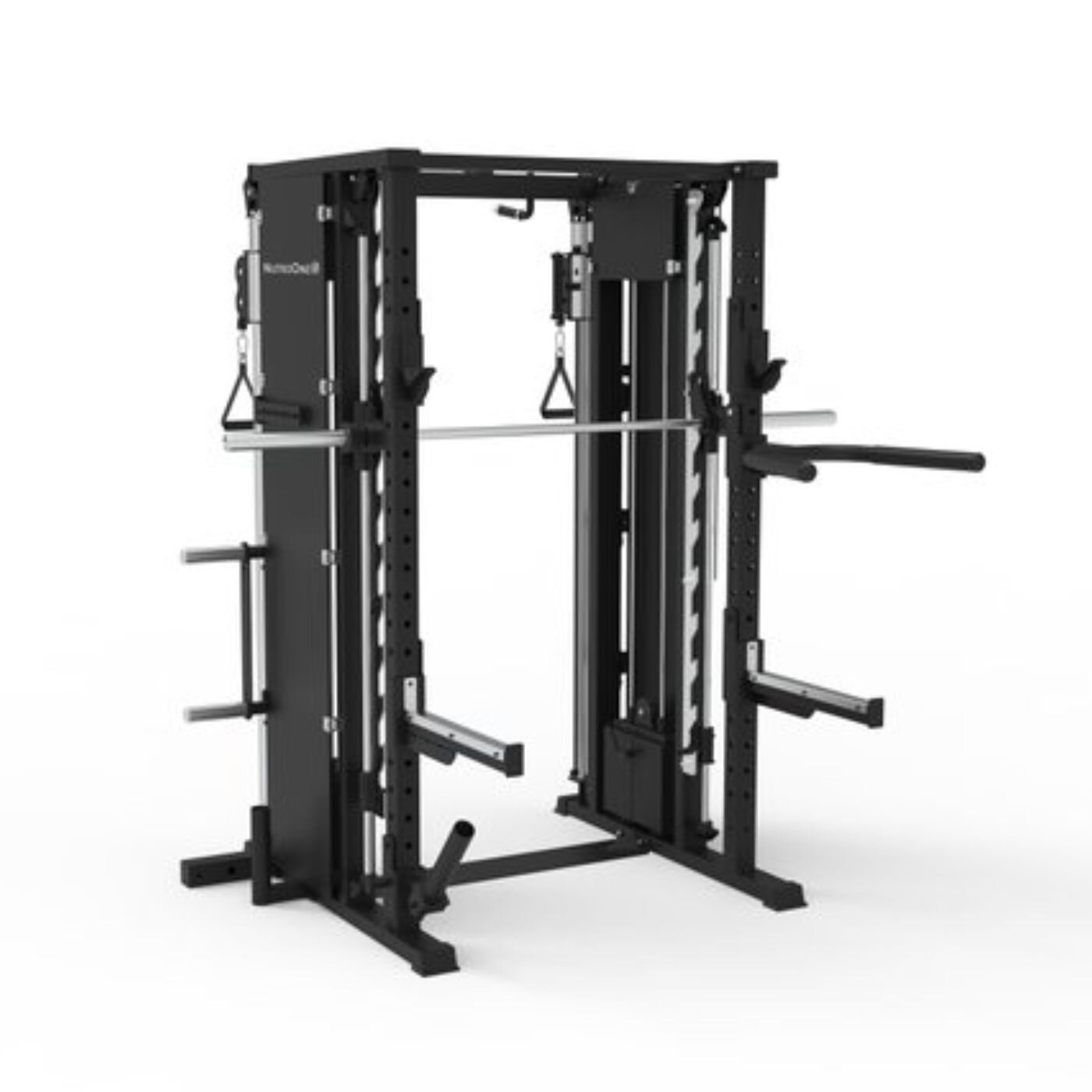
Functional trainer machines are versatile workout stations designed to facilitate a wide range of exercises that mimic everyday movements. In commercial settings such as gyms and fitness centers, they provide users with the ability to perform strength training and functional workouts in a single device. This multifunctionality makes them an essential component of any fitness facility, catering to diverse fitness levels and workout goals.The advantages of using functional trainer machines include their adaptability and the comprehensive workout experience they offer.
Users can engage in various exercises targeting multiple muscle groups, from strength training with resistance cables to functional movements that enhance balance and coordination. The cables can be adjusted to different heights, allowing for the customization of exercises to suit individual needs. This flexibility not only optimizes workout efficiency but also keeps users motivated by providing them with countless exercise options.
Key Components and Design Features
High-quality functional trainer machines are constructed with several essential components and features that enhance their functionality. The primary elements include:
- Adjustable Pulley System: The adjustable pulleys allow users to modify the angle and height of the cables, accommodating various exercises and user preferences.
- Dual Weight Stacks: Most functional trainers come equipped with dual weight stacks, enabling simultaneous workouts for multiple users or allowing one user to perform different exercises without interruption.
- Multi-Grip Handles: Ergonomically designed, these handles provide a secure grip for diverse exercises, ensuring comfort and safety during workouts.
- Compact Design: Functional trainer machines are often designed to occupy minimal space while offering maximum versatility, making them ideal for commercial environments where space is at a premium.
- Sturdy Frame: A robust and durable frame is crucial for stability during workouts, ensuring that the machine can withstand rigorous use in busy fitness settings.
In addition to the functional components, the design features of these machines often include a user-friendly interface that allows easy adjustments and tracking of workout progress. Some models even integrate technology such as touchscreen displays, enabling users to access workout programs and performance analytics.
“Functional trainers are designed to enhance movement patterns that are essential for daily life, making them invaluable assets in any fitness facility.”
Benefits of Functional Trainer Machines in Commercial Gyms
Functional trainer machines have revolutionized the landscape of fitness facilities by offering versatile and efficient workout solutions. Their design allows users to perform a wide range of exercises that engage multiple muscle groups simultaneously, catering to both beginners and advanced fitness enthusiasts alike. The integration of these machines in a commercial gym’s lineup not only enhances the training experience but also attracts a diverse clientele, leading to increased membership and retention.Incorporating functional trainer machines into a gym’s equipment lineup presents an array of advantages that contribute to an overall enhancement of the training environment.
These machines provide a functional approach to fitness, emphasizing movements that mimic everyday activities, which can lead to improved performance in both athletic and daily life tasks. Furthermore, the adjustable settings allow for personalized workouts, accommodating different fitness levels and goals.
Attracting a Diverse Clientele
The versatility of functional trainer machines makes them appealing to a wider audience, including those who are new to fitness as well as seasoned athletes.
Beginner-Friendly Design
Functional trainers often come with clear instructions and preset exercises, making them approachable for newcomers. Their intuitive nature reduces intimidation and encourages participation.
Advanced Customization
For experienced fitness enthusiasts, these machines allow for advanced techniques, such as compound movements, that can target specific muscle groups or improve athletic performance.
Group Classes and Personal Training
Many gyms leverage functional trainer machines for group classes or personal training sessions, creating dynamic workout environments that foster community and motivation.Statistics highlight the effectiveness and appeal of functional trainer machines. A survey conducted by the American Council on Exercise (ACE) found that 92% of users experienced improved strength and mobility after incorporating functional training into their routines. Additionally, facilities featuring functional training equipment reported a 25% increase in member satisfaction, particularly among users aged 18-35, who appreciate diverse workout options.
“Functional training not only prepares individuals for daily tasks but also enhances overall health and fitness, making it a staple in commercial gyms.”
The addition of functional trainer machines is not just about expanding equipment choices; it directly correlates with member retention and satisfaction. Facilities that prioritize functional training are positioning themselves at the forefront of the fitness industry, attracting a broader range of clients and keeping them engaged with their fitness journeys. By investing in functional trainer machines, gyms can elevate their offerings, ensuring they meet the evolving needs of their members.
Key Features to Look for in Commercial Functional Trainer Machines
When investing in functional trainer machines for a commercial gym, certain features are essential to ensure optimal performance, durability, and user satisfaction. High-quality functional trainers should enhance the user experience while providing versatile exercise options that cater to a wide range of fitness levels and training goals. Below, we explore the key features to consider when selecting the best equipment for your gym.
Essential Features of High-Quality Functional Trainer Machines
The distinct characteristics of functional trainer machines can greatly affect their functionality, safety, and appeal. Here are the essential features that set apart high-quality models:
- Adjustable Cable System: A robust adjustable cable system allows for a variety of exercises to be performed at different angles, accommodating users of all heights and fitness levels.
- Weight Stack Variety: Look for machines that offer a wide range of weight stacks. A variety of resistance levels caters to both beginners and experienced users.
- Durable Construction: Machines should be built from high-quality materials to withstand daily use in a busy gym environment. Steel frames with powder-coated finishes offer durability and corrosion resistance.
- Compact Design: Space-saving designs are crucial for gyms with limited floor space. Look for machines that provide maximum functionality while minimizing the footprint.
- User-Friendly Interface: An intuitive and easy-to-use interface, including clear labeling and instructions, ensures that all users can operate the machine effectively.
Comparison of Brands and Their Unique Offerings
When considering different brands of functional trainer machines, it is important to compare their durability, versatility, and user-friendliness. Each brand brings unique features to the market, which can influence purchasing decisions.
| Brand | Durability | Versatility | User-Friendliness |
|---|---|---|---|
| Brand A | Heavy-duty steel frame, powder-coated finish | Multiple attachment options included | Clear instructions, ergonomic handles |
| Brand B | Reinforced construction, extended warranty | Unique cable routing for functional movements | User-centric design with visual aids |
| Brand C | High tensile strength materials | Ability to adjust cable heights and angles easily | Streamlined assembly, clear labeling |
Checklist for Evaluating Functional Trainer Machines, “functional trainer machine commercial”
To aid gym owners in selecting the right functional trainer machine, the following checklist can be used to evaluate each potential purchase. Ensuring all criteria are met will lead to informed decision-making.
If you’re looking to elevate your fitness business, consider partnering with a reliable fitness equipment wholesale supplier. Offering a vast selection of high-quality gear at competitive prices, this supplier can help you stock your gym with the latest equipment. Maximize your offerings and attract more clients with top-notch fitness solutions tailored to your needs.
- Does the machine have a reliable adjustable cable system?
- Are the weight options adequate for various fitness levels?
- Is the construction robust enough to handle daily wear and tear?
- Does the design allow for efficient use of gym space?
- Is the operation of the machine straightforward for all users?
User Experience and Training Applications
Functional trainer machines are designed to enhance user experience by providing a versatile platform for a wide range of exercises that mimic real-life movements. Their dual pulley system allows for multidirectional movement, making them ideal for anyone from beginners to advanced athletes. With their adjustable height settings and various attachments, these machines cater to different fitness levels and training goals, ensuring an engaging workout experience.Proper technique and form are paramount when utilizing functional trainer machines to maximize benefits while minimizing the risk of injury.
Users must maintain a neutral spine, engage their core, and control their movements throughout each exercise. This focus on technique not only enhances performance but also ensures that the targeted muscle groups are effectively engaged, leading to better results.
Exercises Performed on Functional Trainer Machines
Functional trainer machines allow users to perform a variety of exercises that target different muscle groups. Here are some effective exercises that can be performed:
- Cable Crossovers: This exercise targets the chest and shoulders, allowing users to create resistance from various angles. Stand in the middle of the machine and pull the cables down and together in front of your body.
- Seated Row: For back development, sit with your feet secured and pull the handles towards you while keeping your elbows close to your body. This movement emphasizes the lats and rhomboids.
- Single-Arm Rows: This exercise engages the core while working on unilateral strength. Stand facing the machine and row one handle towards your hip, focusing on maintaining stability.
- Tricep Pushdowns: A staple for arm training, attach a rope or bar to the pulley and push down while keeping your elbows stationary to isolate the triceps.
- Rotational Cable Lifts: This dynamic movement targets the obliques and improves functional strength. Stand perpendicular to the machine, pull the cable across your body from a low position to a high position, engaging your core throughout the movement.
In addition to these exercises, maintaining proper form during workouts is crucial. Users should focus on:
Keeping a neutral spine, engaging the core, and avoiding jerky movements.
Integrating these principles into each exercise will facilitate better performance and reduce injury risk.
Training Programs Utilizing Functional Trainer Machines
Creating structured training programs that effectively utilize functional trainer machines can help users achieve their fitness goals. Here is a list of training routines that can be seamlessly integrated:
- Full Body Circuit: Incorporate exercises like squats, cable rows, and shoulder presses in a circuit format, performing each exercise for 12-15 reps with minimal rest between sets.
- Strength and Conditioning: Focus on compound movements such as deadlifts and cable chest presses, combining strength training with high-intensity interval training (HIIT) for enhanced fat loss.
- Rehabilitation and Recovery: Use light resistance for exercises like single-arm rows and tricep pushdowns to aid recovery while improving strength and range of motion.
- Sport-Specific Training: Tailor routines to mimic movements of specific sports, such as rotational lifts for golfers or cable lateral raises for tennis players, enhancing sport performance.
- Functional Fitness Classes: Design group classes using functional trainer machines, focusing on movements that build core stability and overall functional strength.
By incorporating these training programs, users can maximize their experience with functional trainer machines, effectively reaching their fitness objectives while enjoying a diverse and engaging workout environment.
Maintenance and Safety Considerations
Proper maintenance and safety measures are crucial for the longevity and effectiveness of functional trainer machines in commercial gyms. Regular upkeep ensures that equipment remains in peak condition, providing users with a safe and effective workout experience. Adhering to these maintenance and safety guidelines not only protects the investment but also enhances user satisfaction and gym reputation.
Transform your Corvette C7 with the stunning digital gauge cluster upgrade for Corvette C7. Experience clarity and precision like never before, as this upgrade enhances your dashboard with vibrant visuals and advanced features. Elevate your driving experience and make a statement with this exceptional enhancement designed for true car aficionados.
Routine Maintenance for Optimal Performance
To maintain functional trainer machines in optimal working condition, routine maintenance should be performed consistently. Regular checks and servicing can prevent wear and tear, ensuring a smooth operation. Essential maintenance tasks include:
- Inspecting cables and pulleys for signs of fraying or damage, which should be replaced immediately to prevent accidents.
- Lubricating moving parts such as pulleys and joints to reduce friction and prolong equipment lifespan.
- Cleaning the machine surfaces and grips regularly to prevent the buildup of grime and bacteria, which can compromise user safety.
- Checking the weight stacks and ensuring they are securely fastened and functioning properly to avoid injuries during workouts.
- Conducting a thorough inspection of the electrical components and connections to ensure they are functioning safely.
Common Safety Concerns and Mitigation Strategies
Functional trainer machines pose certain safety concerns that must be addressed to ensure user safety. Recognizing these issues and implementing proactive measures is crucial. Common concerns include:
- Improper use of the machine, which can lead to injuries. Signs or instructional guides should be placed on the machine to educate users on correct operation.
- The risk of equipment malfunction due to inadequate maintenance. Regular inspections and prompt repairs can greatly mitigate this risk.
- The potential for users to drop weights. Ensuring that weight stacks are properly secured and encouraging users to maintain control of their movements is essential.
- Restricted movement space, which can lead to accidents. Arranging equipment in a spacious manner allows for safer workout environments.
Best Practices for Gym Staff
Gym staff play a pivotal role in maintaining a safe environment for users of functional trainer machines. Here are best practices staff should follow:
- Conducting regular training sessions on equipment use and maintenance for all gym staff to ensure they are knowledgeable and can assist users effectively.
- Monitoring the gym floor to provide assistance and to ensure users are adhering to safety guidelines while using the machines.
- Implementing a routine maintenance schedule that is documented and adhered to, ensuring all tasks are completed on time.
- Encouraging users to report any equipment issues immediately, fostering a culture of safety and awareness in the gym.
- Providing clear, visible safety instructions and guidelines near each functional trainer machine to empower users with the knowledge they need to exercise safely.
Market Trends and Innovations
In the ever-evolving landscape of fitness equipment, functional trainer machines are at the forefront of innovation, adapting to the needs of today’s fitness enthusiasts and commercial gyms. As health consciousness continues to rise globally, these versatile machines are becoming more sophisticated, integrating new technologies and design features that enhance user experience and training versatility.The current market for functional trainer machines is witnessing a notable shift towards personalized training solutions.
This trend is driven by an increasing demand for equipment that can cater to a wide range of fitness levels and training goals. Features like adjustable resistance, modular attachments, and user-friendly interfaces are becoming standard, allowing gyms to offer customized workout experiences.
Emerging Features and Technologies
Several features and technologies are gaining traction in the functional trainer machine market, reflecting consumer preferences and technological advancements. These innovations not only enhance functionality but also improve user engagement and training outcomes.
- Digital Interfaces: Many modern functional trainers are equipped with touch-screen displays that provide real-time feedback on performance metrics, customizable workouts, and instructional videos. This interactivity helps users stay motivated and informed about their exercise routines.
- App Connectivity: Integration with fitness apps allows users to track their progress, set goals, and participate in virtual challenges. This connectivity fosters a sense of community and accountability, which are essential for sustained fitness journeys.
- Smart Resistance Technology: Some functional trainers now feature smart resistance systems that automatically adjust based on user performance, making workouts more efficient and personalized. This technology helps users maximize their training intensity while minimizing the risk of injury.
- Compact and Versatile Designs: With space often at a premium in commercial gyms, manufacturers are designing functional trainer machines that are both compact and multifunctional. Models that include multiple attachment points and accessories enable a wide variety of exercises without occupying excessive space.
The integration of technology is not just limited to user interfaces; it extends to the overall design and functionality of functional trainer machines. For instance, some machines now come equipped with advanced biomechanical analysis tools that provide insights into users’ movement patterns, enabling trainers to tailor programs that align with individual capabilities and goals.
“The future of functional training machines lies in their ability to adapt to users’ needs through smart technology, enhancing both safety and effectiveness.”
As we look to the future, potential innovations could include AI-driven training programs that adjust in real-time based on user data, augmented reality interfaces for immersive workout experiences, and even enhanced safety features that monitor user form to prevent injuries. These advancements promise to push the boundaries of what functional trainer machines can achieve, making them indispensable tools in the realm of fitness.
Upgrade your driving experience with the revolutionary wireless car charger mount for Tesla Model 3. This innovative accessory ensures your device stays powered while keeping your hands free, combining convenience with cutting-edge technology. Perfectly designed for Tesla enthusiasts, it seamlessly integrates into your car’s interior, offering both style and functionality.
In conclusion, the functional trainer machine market is on the cusp of exciting changes, driven by technology and user-centric design. As these innovations continue to emerge, they will reshape how fitness is approached in commercial gyms, making workouts more engaging and effective for all users.
Cost Considerations and Budgeting for Gyms
Investing in functional trainer machines is a significant decision for any gym owner. Understanding the financial landscape allows for strategic planning and ensures that the gym can meet both its operational needs and its members’ expectations. This section covers the various price ranges for functional trainer machines, the factors influencing these costs, and provides a budgeting plan to facilitate the acquisition of these essential pieces of equipment.
Price Ranges for Functional Trainer Machines
Functional trainer machines come in diverse price ranges, each reflecting different quality levels, features, and brand reputations. Gym owners can expect the following price tiers:
- Entry-Level Machines ($1,000 – $2,500): These machines offer basic functionalities suitable for smaller gyms or home setups. They typically feature fewer attachments and a simpler build.
- Mid-Range Machines ($2,500 – $5,000): These offer a robust selection of features, including multiple attachments and better construction materials. They are ideal for commercial gyms looking to provide a versatile training experience.
- High-End Machines ($5,000 – $10,000+): These machines boast advanced technology, extensive customization options, and superior build quality. They are designed for high-traffic commercial gyms and fitness centers.
Factors Influencing the Cost of Functional Trainer Machines
Several factors play a crucial role in determining the cost of functional trainer machines:
- Brand Reputation: Established brands often charge a premium due to their proven reliability and customer service. For instance, brands like Life Fitness and Precor are known for their durability and warranty offerings.
- Materials Used: High-quality steel and durable plastics are more expensive but ensure longevity and safety in commercial settings. Cheaper materials may reduce initial costs but could lead to higher maintenance expenses.
- Features and Technology: Machines with advanced features such as digital interfaces, adjustable weights, and integrated workout programs typically come at a higher price point.
- Warranty and Service: Comprehensive warranties and customer support options can influence the total cost. Investing in machines with strong support can reduce long-term expenses.
Budget Plan for Gyms
Creating a solid budget plan is essential for gyms considering an investment in functional trainer machines. Here’s a structured approach:
“A well-planned budget ensures optimal equipment selection and aligns with the gym’s financial capabilities.”
- Assess Financial Capacity: Determine how much budget is allocated for equipment purchases in relation to total gym expenses.
- Identify Equipment Needs: List the number of functional trainer machines required based on membership size and desired offerings.
- Explore Financing Options: Many suppliers offer financing plans, allowing gyms to pay in installments, which can ease cash flow while acquiring necessary equipment.
- Consider Resale Value: Research the potential resale value of machines to assess long-term investment viability.
- Calculate Total Costs: Include installation, shipping, and maintenance in the total budget to avoid unexpected expenses.
FAQ Explained: “functional Trainer Machine Commercial”
What exercises can be done on a functional trainer machine?
A variety of exercises such as cable crossovers, squats, rows, and more can be performed, targeting different muscle groups.
How do I maintain a functional trainer machine?
Regularly inspect cables, tighten bolts, and clean the machine after use to ensure optimal performance and longevity.
Are functional trainer machines suitable for beginners?
Yes, they are ideal for all fitness levels as they allow users to start with lighter weights and progress at their own pace.
What safety features should I look for?
Look for machines with sturdy construction, adjustable components, and safety locks to prevent accidents during workouts.
Can I integrate technology with a functional trainer machine?
Many modern functional trainer machines offer digital interfaces and app connectivity to track workouts and progress.