How to Choose Between OEM vs Aftermarket Parts When Buying Online sets the stage for an essential decision every vehicle owner faces in the ever-evolving world of automotive care. With a plethora of options at your fingertips, understanding the nuances between Original Equipment Manufacturer (OEM) parts and aftermarket alternatives can save you time, money, and headaches down the road.
Your skin deserves the best, and that includes safe purchasing! Learn how to confidently acquire the skincare you need with our tips on Safe Ways to Purchase Prescription Skincare Products. Experience the peace of mind that comes with every order, ensuring you put only the finest on your skin.
OEM parts are manufactured by the same company that produced your vehicle, ensuring a perfect fit and adherence to quality standards, while aftermarket parts offer a diverse array of choices often at a lower price. This guide will help you navigate through the crucial factors, pricing, warranties, and personal preferences that play a vital role in your purchasing decision.
How to Choose Between OEM vs Aftermarket Parts When Buying Online
When it comes to maintaining and repairing your vehicle, one of the most crucial decisions you will face is choosing between OEM (Original Equipment Manufacturer) parts and aftermarket parts. Understanding the differences, advantages, and disadvantages of each type can significantly impact your vehicle’s performance and your overall satisfaction with your purchase. This guide will explore these two options in detail, helping you make an informed choice that suits your needs.
Understanding OEM Parts
OEM parts are components made by the vehicle’s manufacturer or a contracted manufacturer that adheres to the same specifications used in the original construction of the vehicle. The primary advantage of OEM parts is their compatibility and reliability, as they are designed specifically for your vehicle model.
- Quality Assurance: OEM parts undergo rigorous quality control and testing, ensuring they meet the manufacturer’s high standards.
- Perfect Fit: Designed to integrate seamlessly with your vehicle’s systems, reducing the risk of malfunctions.
- Warranty Coverage: Typically, OEM parts come with a warranty that guarantees their quality and performance.
Examples of common OEM parts include:
- Brake pads
- Alternators
- Fuel pumps
- Spark plugs
These parts are specifically engineered for various vehicle makes and models, ensuring optimal operation.
Rev up your engines and find the parts you need! Our comprehensive list of Best Online Marketplaces to Buy and Sell Automotive Parts makes it easy to navigate the automotive marketplace. Get quality components and keep your vehicle running smoothly with just a click!
Exploring Aftermarket Parts
Aftermarket parts are manufactured by companies other than the original vehicle manufacturer. These components are often designed to fit a wide range of vehicles, offering an alternative to OEM parts. One of the main benefits of aftermarket parts is their affordability.
Discover the world of beauty that cares! Explore the best options for ethical shopping with our guide on Where to Buy Cruelty Free Beauty Brands Online. Say goodbye to guilt and hello to glam as you find the perfect products that align with your values!
- Cost-Effective: Generally, aftermarket parts are less expensive than OEM parts while still offering decent quality.
- Variety of Options: Consumers can choose from a wide range of features and enhancements that might not be available with OEM parts.
- Availability: Aftermarket parts are widely available and can often be sourced quickly online or through local retailers.
Some popular aftermarket parts include:
- Performance-enhancing exhaust systems
- High-efficiency air filters
- Adjustable suspension kits
- Aftermarket brake kits
Each of these components can significantly enhance your vehicle’s performance or aesthetics.
Key Differences between OEM and Aftermarket Parts
Understanding the differences between OEM and aftermarket parts is essential for making an informed decision.
| Criteria | OEM Parts | Aftermarket Parts |
|---|---|---|
| Pricing | Generally higher priced due to quality assurance | Typically more affordable, offering budget-friendly options |
| Warranty | Often comes with a warranty from the manufacturer | Warranty varies; not all aftermarket parts include one |
| Performance | Designed for optimal performance with your specific vehicle | Performance can vary widely based on manufacturer and brand |
This comparative analysis can help clarify which option may be better suited for your vehicle repair needs.
Factors to Consider When Choosing Parts
Several factors play a significant role in your decision-making process between OEM and aftermarket parts:
- Vehicle Age and Model: Older vehicles may have limited OEM parts availability, making aftermarket options more appealing.
- Intended Use: Determine if you need parts for daily driving, racing, or performance enhancement. This will impact your choice.
- Personal Preferences: Some drivers prefer the guaranteed fit and performance of OEM parts, while others may prioritize cost savings and enhancements offered by aftermarket parts.
Understanding these factors will enable you to make a decision aligned with your vehicle needs and budget.
Online Buying Tips for Parts Selection
When purchasing auto parts online, it’s important to follow a systematic approach to ensure you make the right choice.
- Research Compatibility: Verify that the parts are specifically compatible with your vehicle’s make and model.
- Read Product Reviews: Look for feedback from other customers to gauge the quality and reliability of the parts.
- Seller Credibility: Check seller ratings and return policies to avoid potential issues with your order.
Following these tips will enhance your online shopping experience and increase the likelihood of a successful purchase.
Pros and Cons of Each Option
To summarize the advantages and disadvantages of OEM and aftermarket parts, consider the following tables:
| OEM Parts | Advantages | Disadvantages |
|---|---|---|
| Quality Assurance | Guaranteed fit and performance | Higher cost compared to alternatives |
| Warranty | Comes with a manufacturer warranty | Limited availability for older models |
| Aftermarket Parts | Advantages | Disadvantages |
|---|---|---|
| Affordability | Less expensive than OEM options | Quality can vary widely |
| Variety | Broader selection for customization | May not always guarantee perfect fit |
These tables clearly Artikel when one option may be favored over the other based on your specific needs.
Customer Experiences and Testimonials, How to Choose Between OEM vs Aftermarket Parts When Buying Online
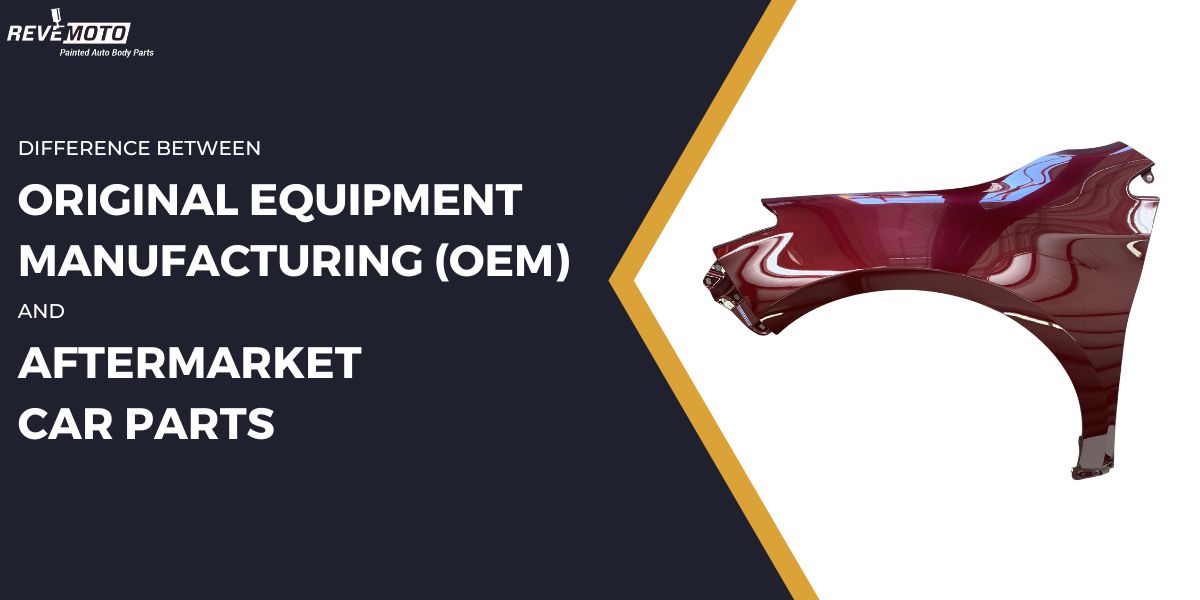
Real-life experiences can offer valuable insights into the effectiveness of OEM and aftermarket parts. Many customers who opted for OEM parts report satisfaction due to their reliability and exact match with vehicle specifications. In contrast, users who chose aftermarket parts often cite significant savings and performance enhancements. For example, a driver may experience improved fuel efficiency with a high-performance air filter or an upgraded exhaust system.
These testimonials highlight the importance of considering personal experiences when making your selection.
Future Trends in Auto Parts Buying
The landscape of auto parts purchasing is evolving, particularly with the rise of online shopping. Consumers are increasingly turning to digital platforms for convenience and a wider array of options. Technological advancements are also influencing part production, allowing for higher-quality aftermarket components that can rival OEM products. For instance, 3D printing technology is being utilized to create custom parts that meet specific needs, demonstrating the potential for innovation in the market.As consumer behavior shifts towards online purchasing, understanding these trends will be essential for making informed decisions in the future.
FAQ Corner: How To Choose Between OEM Vs Aftermarket Parts When Buying Online
What are OEM parts?
OEM parts are components made by the original manufacturer of your vehicle, designed to meet specific quality standards and fit perfectly.
Are aftermarket parts as good as OEM parts?
Aftermarket parts can vary in quality; some may outperform OEM, while others may not meet original specifications. Research is key.
How do I know if I should choose OEM or aftermarket parts?
Consider factors such as your vehicle’s age, model, performance needs, and budget to make an informed decision.
What should I look for when buying parts online?
Check seller ratings, read reviews, verify warranty information, and ensure part compatibility with your vehicle.
Can I mix OEM and aftermarket parts?
Yes, mixing is often acceptable, but it’s important to ensure compatibility to maintain the vehicle’s performance and reliability.