“diesel fuel injectors for Cummins 6.7” are essential components designed to optimize the performance of your engine. These injectors serve a critical role by ensuring precise fuel delivery, contributing to both power and efficiency. With advancements in technology, modern fuel injectors offer remarkable features that not only improve engine performance but also enhance fuel economy, making your driving experience smoother and more powerful.
Understanding the intricate dynamics of diesel fuel injectors specifically for Cummins 6.7 engines reveals their unique attributes. High-quality injectors are engineered to withstand the rigors of demanding performance while minimizing wear and tear. This overview positions you to appreciate the importance of investing in top-notch injectors that elevate your engine’s capabilities.
Overview of Diesel Fuel Injectors
Diesel fuel injectors are critical components of diesel engines, responsible for delivering precise amounts of fuel into the combustion chamber. Their efficiency and performance directly impact engine power, fuel economy, and emissions. In the context of Cummins 6.7 engines, these injectors play a vital role in ensuring optimal operation and reliability.Diesel fuel injectors operate by atomizing fuel, which creates a fine mist that mixes with air for efficient combustion.
The Cummins 6.7 engines feature advanced fuel injectors designed to withstand high pressures and temperatures, ensuring reliable fuel delivery and enhanced engine performance. Key characteristics include electronic control for precise timing and modulation, high-flow capabilities, and durable materials that resist wear and corrosion.
Features of Diesel Fuel Injectors in Cummins 6.7 Engines
The diesel fuel injectors used in Cummins 6.7 engines incorporate several advanced features that contribute to superior performance and longevity. These features include:
- High-Pressure Operation: Designed to operate at high rail pressures, these injectors ensure efficient fuel atomization for better combustion.
- Electronic Control: Integrated electronic controls allow for precise timing and duration of fuel injection, optimizing performance and fuel efficiency.
- Durability: Made from high-quality materials that resist wear, corrosion, and thermal stress, these injectors are built to last in demanding conditions.
- Improved Spray Patterns: Specialized nozzle designs create optimal spray patterns for enhanced mixing of air and fuel, leading to cleaner combustion and lower emissions.
Advantages of High-Quality Fuel Injectors
Investing in high-quality fuel injectors for diesel engines, particularly in Cummins 6.7 applications, brings numerous advantages that enhance engine performance and reliability. The benefits include:
- Enhanced Fuel Efficiency: Quality injectors deliver fuel more efficiently, resulting in improved fuel economy and reduced operational costs.
- Increased Power Output: Properly functioning injectors contribute to higher power output by ensuring optimal fuel delivery to the combustion chamber.
- Reduced Emissions: High-quality injectors facilitate cleaner combustion, significantly lowering emissions and meeting environmental standards.
- Longer Engine Life: By preventing misfires and ensuring efficient combustion, quality injectors help maintain engine health, leading to longer service life.
The performance and longevity of a diesel engine can often be traced back to the quality of its fuel injectors.
The Cummins 6.7 engines’ fuel injectors are engineered to meet the specific demands of high-performance diesel applications. Investing in these high-quality components not only boosts engine efficiency but also contributes to a cleaner environment and lower operating costs, making them an essential consideration for any diesel engine owner.
Common Issues with Cummins 6.7 Diesel Fuel Injectors
The performance of your Cummins 6.7 engine highly depends on the efficiency and reliability of its diesel fuel injectors. Understanding common issues that affect these injectors can help you maintain optimal engine performance and longevity. By recognizing the early signs of injector failure, you can avoid costly repairs and ensure that your engine runs smoothly and efficiently.One prevalent issue with Cummins 6.7 diesel fuel injectors is clogging, which can lead to reduced fuel flow and, consequently, poor engine performance.
Over time, debris and contaminants from fuel can accumulate within the injectors, causing them to malfunction. Additionally, injector wear can occur due to high pressure and heat, leading to leaks or improper fuel atomization. Recognizing these problems early can save you significant downtime and expenses.
Signs of Failing Injectors
Identifying the symptoms of failing diesel fuel injectors is crucial for any Cummins 6.7 owner. Here are some common indicators that your injectors may be struggling:
- Decreased Engine Performance: A noticeable drop in power and acceleration can signal failing injectors. This often manifests as sluggishness during acceleration or difficulty maintaining speed.
- Increased Fuel Consumption: If you find yourself refueling more often without an increase in driving distance, it may be due to inefficient fuel delivery from worn injectors.
- Rough Idling or Misfiring: A rough idle or engine misfires are often the result of an injector failing to deliver fuel properly, leading to an uneven combustion process.
- Black Smoke Emission: Excessive black smoke from the exhaust indicates incomplete combustion, often linked to malfunctioning injectors that over-fuel the engine.
Impact of Poor Quality Fuel on Injector Lifespan
The quality of diesel fuel plays a significant role in the longevity of diesel fuel injectors in the Cummins 6.7 engine. Low-quality fuel containing high levels of contaminants can lead to various injector issues, including clogging and accelerated wear.Using fuel with proper additives can help mitigate these effects by cleaning the injectors and improving combustion efficiency. However, consistently using subpar fuel can result in:
- Accelerated Injector Wear: Contaminants can cause abrasiveness, leading to faster deterioration of injector components.
- Clogging and Performance Degradation: The presence of particulates can block fuel passages, resulting in decreased engine power and efficiency.
- Increased Maintenance Costs: Failing injectors often require more frequent replacement or repair, raising overall maintenance expenses.
The best way to prolong the life of your Cummins 6.7 diesel fuel injectors is to use high-quality fuel tailored for diesel engines.
Maintenance and Care for Diesel Fuel Injectors
Proper maintenance and care of diesel fuel injectors are crucial for the optimal performance of your Cummins 6.7 engine. Maintaining fuel injectors not only enhances engine efficiency but also extends the lifespan of the components, ultimately leading to better fuel economy and reduced emissions. Understanding how to inspect and care for these injectors can save you time, money, and ensure the reliability of your vehicle.
Inspection Procedure for Diesel Fuel Injectors
Regular inspections of diesel fuel injectors are vital in detecting early signs of wear or malfunction. The inspection process for Cummins 6.7 diesel fuel injectors involves several steps:
1. Preparation
Ensure the engine is cool and relieve the fuel system pressure by loosening the fuel cap.
2. Accessing Injectors
Remove the necessary engine components such as the intake manifold or valve cover to gain access to the fuel injectors.
3. Visual Inspection
Check for any physical damage, including cracks or leaks around the injector body and fuel lines.
4. Leak Test
After connecting the fuel system, observe each injector for signs of fuel leakage during engine operation.
5. Electrical Connection Check
Ensure electrical connectors are secure and free of corrosion. A multimeter can be used to verify the continuity of the injector circuit.
6. Performance Testing
Ready to elevate your YouTube game? Discover the benefits of investing in your creativity with the best gear available. When you buy a professional video camera for YouTube , you ensure high-quality content that engages your audience and grows your channel. Take the first step towards professional-grade videos today!
Use an injector tester to assess the spray pattern and pressure. A consistent spray pattern indicates a healthy injector, whereas a dribbly or irregular pattern suggests cleaning or replacement is necessary.
7. Reassembly
After inspection, reassemble all components carefully, ensuring to torque bolts to manufacturer specifications.
Maintenance Tips for Prolonging Injector Life
Implementing a few simple maintenance practices can significantly prolong the life of your Cummins 6.7 fuel injectors:
Regular Fuel Quality Checks
Use high-quality diesel fuel to prevent contaminants from clogging injectors. Consider using a fuel filter with a smaller micron rating for enhanced protection.
Scheduled Replacements
Follow the manufacturer’s guidelines for injector replacement intervals. Generally, injectors should be replaced every 100,000 miles, but this may vary based on driving conditions and fuel quality.
Use of Additives
Incorporate fuel system cleaners or injector cleaners designed for diesel engines into your fuel tank at regular intervals. These additives help to keep injectors clean and operating efficiently.
Monitor Engine Performance
Be attentive to changes in engine performance, such as decreased power or increased fuel consumption, as these may indicate injector issues that need addressing.
Importance of Regular Fuel System Cleaning
Regular cleaning of the fuel system is a key factor in maintaining the efficiency and longevity of diesel fuel injectors. A clean fuel system helps to prevent build-up that can lead to injector clogging and inefficient fuel delivery. Key points include:
Enhanced Injector Performance
Cleaning helps maintain optimal spray patterns and atomization, crucial for efficient combustion.
Fuel Efficiency
Clean injectors lead to better fuel atomization, resulting in improved fuel economy and lower emissions.
Reduced Maintenance Costs
Regular cleaning can prevent costly repairs and replacements of injectors and other fuel system components.Utilizing fuel system cleaning solutions designed for diesel engines can effectively dissolve carbon deposits and other contaminants. Regular maintenance not only safeguards your Cummins 6.7 engine’s injectors but also enhances overall engine performance, ensuring you get the most out of your vehicle.
Replacement Options for Cummins 6.7 Diesel Fuel Injectors
The right replacement options for diesel fuel injectors are crucial for maintaining the performance and efficiency of your Cummins 6.7 engine. Choosing between OEM and aftermarket injectors can significantly impact your engine’s longevity and fuel efficiency. This section will provide a comprehensive comparison of both options, discuss the removal and replacement process, and highlight recommended brands for replacement injectors.
Comparison of OEM vs Aftermarket Diesel Fuel Injectors
When deciding between OEM (Original Equipment Manufacturer) and aftermarket diesel fuel injectors for your Cummins 6.7 engine, understanding the advantages and disadvantages of each option is essential. OEM injectors are specifically designed for Cummins engines, ensuring compatibility and reliability. They often come with warranties and are made to the manufacturer’s precise specifications, but they can be more expensive.Aftermarket injectors, on the other hand, can offer similar or even improved performance at a lower cost.
They may come with enhanced features, such as improved flow rates or better durability. However, quality can vary significantly among aftermarket brands, so it’s vital to choose reputable manufacturers.
“OEM injectors guarantee a perfect fit, while aftermarket options can offer enhanced performance at a more accessible price point.”
Process of Removing and Replacing Fuel Injectors in the Cummins 6.7
Replacing fuel injectors in the Cummins 6.7 engine involves a series of methodical steps to ensure a successful installation.
1. Preparation
Begin by disconnecting the battery, allowing the engine to cool, and removing any components obstructing access to the injectors.
2. Disconnecting Fuel Lines
Carefully disconnect the fuel lines and wiring harness from the injectors.
3. Removing Injectors
Use a suitable tool to remove the retaining bolts of the injectors. Gently pull the injectors from their seats; be cautious of any debris entering the combustion chamber.
4. Installing New Injectors
Prepare the new injectors by applying a small amount of engine oil to the O-rings for a proper seal. Insert the new injectors into their respective positions and secure them with the retaining bolts.
5. Reattaching Components
Reconnect the fuel lines and wiring harness, ensuring all connections are secure.
Adventure awaits with the latest technology in your hands! Get ready to capture every thrilling moment with the amazing features of the new camera. You can buy GoPro HERO12 Black US now and experience unmatched performance for your outdoor activities. Don’t just document your life; live it fully with this incredible device!
6. Final Checks
Reconnect the battery and start the engine to check for leaks and ensure proper function.
Transform your photography experience by taking advantage of our exciting offer! When you trade in your old DSLR, you can get a discount on a brand new model that fits your creative vision. Don’t miss out on this opportunity to upgrade and capture stunning images with the latest technology!
“Proper installation of fuel injectors is vital for engine performance and longevity.”
Recommended Brands for Replacement Injectors
When selecting replacement injectors for your Cummins 6.7, several reputable brands stand out. Each offers unique features that cater to various performance needs.These brands are known for their quality and reliability:
- Bosch: Known for their precision engineering, Bosch injectors offer excellent performance and durability.
- Fuelab: Offers performance injectors designed for enhanced fuel flow and combustion efficiency.
- Genuine Cummins: OEM injectors that maintain the original performance standards of your Cummins engine.
- DLT: Provides high-performance aftermarket injectors that are tested for reliability and efficiency.
- Industrial Injection: Specializes in performance upgrades and provides injectors with higher flow rates for increased power.
Choosing the right injector brand is essential for achieving optimal engine performance and longevity. Each brand listed above has proven its reliability and capability in the diesel engine market.
Performance Enhancements with Upgraded Diesel Fuel Injectors
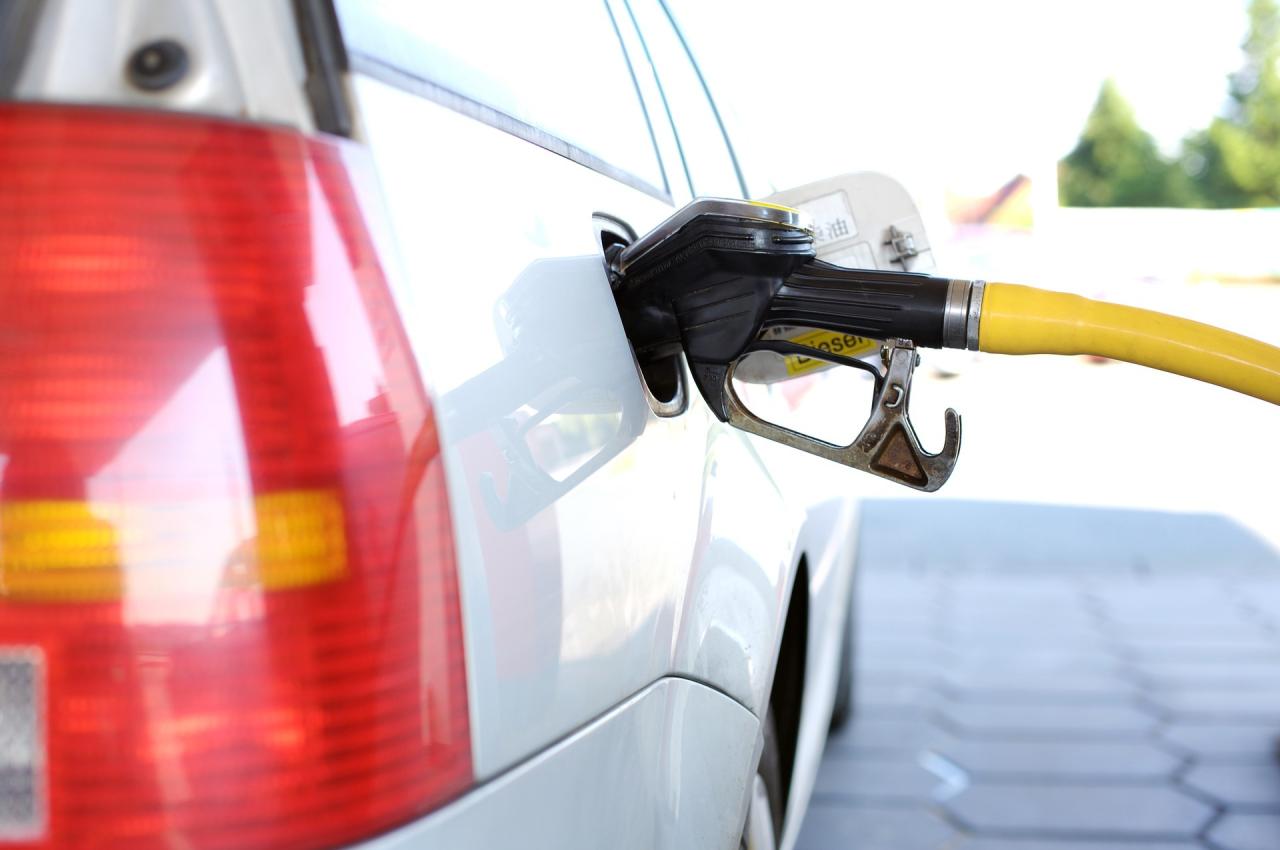
Upgrading to high-performance diesel fuel injectors can significantly enhance the overall performance and efficiency of your Cummins 6.7 engine. These injectors are designed to deliver precise amounts of fuel at optimal intervals, ensuring a more complete combustion process. This not only boosts engine power but also helps to improve fuel economy, making your driving experience smoother and more efficient.Upgraded injectors can facilitate better atomization of fuel, which leads to improved combustion efficiency.
This means more power from every drop of diesel you use, translating into better torque and horsepower. Additionally, they can help reduce emissions by promoting a more complete burn of the fuel, which is crucial for meeting environmental regulations.
Tuning Options for Optimizing Injector Performance
To fully realize the benefits of upgraded fuel injectors, proper tuning is essential. Tuning involves adjusting various engine parameters to ensure that the upgraded injectors are operating at their best. Several tuning options are available for optimizing injector performance in the Cummins 6.7:
- ECU Remapping: Adjusting the engine control unit (ECU) to modify fuel delivery and timing can enhance performance and efficiency.
- Performance Chips: Installing performance chips can provide the necessary adjustments to fuel maps, optimizing injector usage under different driving conditions.
- AFR Tuning: Adjusting the air-fuel ratio (AFR) helps to ensure that the upgraded injectors deliver the correct fuel amount for maximum power output.
- Monitoring Systems: Using performance monitoring systems to track injector performance can help fine-tune settings for optimal results.
Upgrading to high-performance fuel injectors comes with numerous benefits that can transform your Cummins 6.7 into a more powerful and efficient machine. Below are key advantages of making this upgrade:
- Increased Horsepower: Enhanced fuel delivery results in higher horsepower output.
- Better Torque: Improved combustion translates to more torque, enhancing towing capacity and acceleration.
- Improved Fuel Efficiency: Higher efficiency means better miles per gallon, saving you money in the long run.
- Reduced Emissions: Upgraded injectors contribute to cleaner combustion, helping meet emissions standards.
- Smoother Engine Operation: Enhanced injector performance leads to a more responsive and smooth-running engine.
Upgrading your fuel injectors is one of the most effective ways to unlock the hidden potential of your Cummins 6.7, providing not just power but also efficiency and reliability.
Troubleshooting Diesel Fuel Injectors
Diagnosing issues with diesel fuel injectors in the Cummins 6.7 engine requires a systematic approach to ensure accurate identification of problems. A properly functioning injector is crucial for optimal engine performance, fuel efficiency, and emissions control. This segment will guide you through the steps to effectively troubleshoot injector issues, helping to restore your engine to its peak performance.
Systematic Approach to Troubleshooting
Begin by gathering all necessary diagnostic tools and having your engine’s service manual on hand. A methodical approach simplifies the identification of injector-related problems. Follow these steps:
1. Visual Inspection
Start with a thorough inspection of the injectors and surrounding areas for signs of leaks, corrosion, or physical damage. Check the electrical connections for any signs of wear or fraying.
2. Scan for Diagnostic Codes
Utilize an OBD-II scanner to identify any trouble codes related to the fuel injectors. This step can pinpoint specific issues that may not be immediately visible.
3. Perform Fuel Pressure Tests
Measure the fuel rail pressure using a fuel pressure gauge. Low pressure may indicate a failing fuel pump or clogged filters affecting injector performance.
4. Injector Balance Test
Conduct an injector balance test to determine if all injectors are delivering fuel evenly. This test helps identify malfunctioning injectors that may cause performance issues.
5. Electrical Testing
Check the resistance of the injector solenoids using a multimeter. Compare the readings with manufacturer specifications to identify any faulty injectors.
Common Diagnostic Codes for Fuel Injector Problems, “diesel fuel injectors for Cummins 6.7”
Understanding common diagnostic trouble codes (DTCs) related to fuel injector issues can significantly aid in troubleshooting. Below is a table of frequent codes:
| Code | Description |
|---|---|
| P0201 | Injector Circuit Malfunction – Cylinder 1 |
| P0202 | Injector Circuit Malfunction – Cylinder 2 |
| P0203 | Injector Circuit Malfunction – Cylinder 3 |
| P0204 | Injector Circuit Malfunction – Cylinder 4 |
| P0205 | Injector Circuit Malfunction – Cylinder 5 |
| P0206 | Injector Circuit Malfunction – Cylinder 6 |
| P0219 | Fuel Injector Control Performance |
Methods for Testing Performance of Diesel Fuel Injectors
Testing the performance of diesel fuel injectors ensures they are functioning correctly and efficiently. Here are several effective methods:
Ultrasonic Cleaning
Use ultrasonic cleaning to remove carbon deposits and other contaminants from injectors, restoring proper spray patterns and performance.
Flow Testing
Conduct flow tests to measure the volume of fuel delivered by each injector over a specific time. This method helps identify injectors that are clogged or not delivering the correct amount of fuel.
Leak Testing
Perform a leak test to determine if the injectors are leaking fuel while the engine is off. Leaking injectors can lead to poor fuel economy and increased emissions.
Spray Pattern Analysis
Examine the spray pattern of each injector using a test fixture. A proper spray pattern is crucial for optimal combustion, and any irregularities can indicate problems with the injector’s nozzle or internal components.By following these troubleshooting steps, utilizing the diagnostic codes, and implementing performance testing methods, you can effectively diagnose and resolve fuel injector issues in your Cummins 6.7 engine, ensuring it runs smoothly and efficiently.
Environmental Impact of Diesel Fuel Injectors
Diesel fuel injectors play a crucial role in the overall performance and emissions management of Cummins 6.7 engines. As the heart of the fuel delivery system, they ensure optimal combustion, which directly influences the environmental impact of diesel engines. Understanding how these injectors function and how their maintenance can mitigate harmful emissions is essential for any Cummins owner.Fuel injectors significantly contribute to a diesel engine’s emissions control by precisely delivering the right amount of fuel into the combustion chamber.
This precision ensures complete combustion, which reduces the formation of harmful pollutants such as nitrogen oxides (NOx) and particulate matter. When injectors are well-maintained, they not only enhance engine performance but also minimize the environmental footprint of the vehicle.
Role of Injector Maintenance in Environmental Impact
Proper maintenance of diesel fuel injectors is vital for reducing emissions and ensuring compliance with environmental regulations. Here are some key aspects of injector maintenance that contribute to a lower environmental impact:
- Regular Cleaning: Routine cleaning of injectors helps prevent clogging, which can lead to incomplete combustion and increased emissions.
- Replacement of Worn Parts: Replacing worn or damaged injectors ensures that fuel is injected at the optimal pressure and timing, further enhancing combustion efficiency.
- Use of Quality Fuel: High-quality diesel fuel with fewer impurities can reduce injector wear and improve combustion quality, thereby lowering emissions.
- Monitoring Engine Performance: Keeping an eye on engine performance indicators can help identify injector issues early, allowing for timely maintenance and reduced emissions.
Regular maintenance not only benefits the environment but also improves engine reliability and longevity. This proactive approach can lead to significant reductions in harmful emissions, contributing to a cleaner atmosphere.
Recommendations for Eco-Friendly Fuel Options
In addition to maintaining diesel fuel injectors, choosing eco-friendly fuel options can further minimize environmental impact. Below are some recommended fuel alternatives compatible with Cummins 6.7 diesel engines:
- Biodiesel: Derived from renewable resources such as vegetable oils or animal fats, biodiesel can reduce greenhouse gas emissions by up to 60% compared to traditional diesel.
- Renewable Diesel: Unlike biodiesel, renewable diesel is chemically similar to petroleum diesel, making it a drop-in replacement that works seamlessly with existing fuel injectors.
- Ultra-Low Sulfur Diesel (ULSD): This cleaner fuel option contains significantly lower sulfur content, reducing harmful emissions and improving the overall environmental impact of diesel engines.
By integrating eco-friendly fuel sources and maintaining diesel fuel injectors, Cummins 6.7 engine owners can significantly reduce their environmental impact while enjoying the performance benefits of their vehicles.
Innovations in Diesel Fuel Injector Technology
The landscape of diesel fuel injection technology is rapidly evolving, particularly with advancements tailored for high-performance engines like the Cummins 6.7. These innovations are set to enhance efficiency, reduce emissions, and improve overall engine performance. As manufacturers strive to meet stringent environmental regulations and consumer demands for power, the future of diesel fuel injectors is promising and dynamic.Emerging technologies such as piezoelectric injectors, advanced electronic control units (ECUs), and multi-stage injection systems are transforming diesel fuel injectors.
These innovations not only optimize the combustion process but also enhance fuel atomization, leading to more complete combustion. The implications for the Cummins 6.7 are significant, as these injectors can improve fuel efficiency by up to 30%, decrease harmful emissions, and elevate power output without compromising reliability.
Next-Generation Injector Designs
Next-generation diesel fuel injectors boast a range of enhancements over traditional designs that significantly improve performance and efficiency. The following key features exemplify these advancements:
- Piezoelectric Actuation: Utilizes electrical signals to control injector operation with high precision, allowing for faster response times and more accurate fuel delivery.
- Multi-hole Nozzle Technology: Employs multiple nozzle openings to create finer fuel sprays, improving atomization and enhancing combustion efficiency.
- Variable Injection Timing: Adjusts the timing of fuel injection events based on engine conditions, optimizing performance across various RPM ranges.
- Integrated Sensors: Incorporates sensors that monitor injector performance in real-time, facilitating early detection of potential issues and aiding in predictive maintenance.
The transition from traditional to modern injector designs marks a significant shift in diesel technology. Traditional designs typically rely on basic mechanical components and fixed injection parameters, which limit flexibility and responsiveness. In contrast, modern injectors leverage electronic controls to adapt to varying operating conditions, enhancing performance and efficiency.
“Modern diesel fuel injectors represent a leap toward precision engineering, aligning performance demands with environmental standards.”
As the industry evolves, the integration of smart technologies into fuel injectors will further refine engine management systems, allowing for even better fuel economy and reduced emissions. Innovations such as fuel injection mapping and adaptive learning algorithms will enable future systems to learn user driving patterns, optimizing fuel delivery in real-time for maximum efficiency and performance. The implications for the Cummins 6.7 are profound, setting new benchmarks in the realm of diesel engine efficiency and responsiveness.
Q&A: “diesel Fuel Injectors For Cummins 6.7”
What are diesel fuel injectors for Cummins 6.7?
They are specialized components that deliver the precise amount of diesel fuel into the engine for optimal combustion.
How often should I replace diesel fuel injectors?
Generally, they should be inspected and potentially replaced every 100,000 miles or based on performance issues.
What signs indicate failing diesel fuel injectors?
Common signs include rough engine running, decreased fuel efficiency, and increased exhaust smoke.
Can poor fuel quality affect diesel injectors?
Yes, low-quality fuel can lead to injector clogging and premature wear, significantly affecting performance.
Are aftermarket injectors reliable for Cummins 6.7?
Many aftermarket injectors are reliable; however, it’s essential to choose reputable brands to ensure quality and performance.