“trailer hitch receiver for Ford F-150” – Trailer hitch receiver for Ford F-150 is essential for transforming your truck into a towing powerhouse. Designed specifically to meet the high demands of Ford F-150 owners, these receivers not only enhance towing capabilities but also provide a robust framework for transporting various loads securely. With an array of options available, from different types to weight capacities, finding the perfect fit for your towing needs has never been easier.
This guide delves into the intricacies of trailer hitch receivers tailored for the Ford F-150. Whether you’re looking to understand the installation process, explore the benefits, or ensure safety and maintenance, we’ve got you covered. Equip your Ford F-150 with the right trailer hitch receiver and unlock the full potential of your vehicle.
Overview of Trailer Hitch Receivers for Ford F-150
Trailer hitch receivers are essential components for any Ford F-150 owner looking to enhance their truck’s towing capabilities. Designed specifically for the F-150, these receivers allow for the secure attachment of trailers, ensuring safe and efficient transport of goods, recreational vehicles, or equipment. Whether you’re hauling a boat, camper, or work trailer, a quality hitch receiver is vital for maximizing your truck’s versatility.The function of a trailer hitch receiver extends beyond mere attachment; it plays a critical role in distributing the weight of the load evenly and maintaining vehicle stability during transit.
For the Ford F-150, several types of hitch receivers are available, catering to a range of towing needs and preferences. Each type offers different features, weight capacities, and installation requirements, ensuring that there is an option for every user.
Types of Trailer Hitch Receivers Compatible with Ford F-150, “trailer hitch receiver for Ford F-150”
There are various types of trailer hitch receivers, each designed to meet specific towing requirements. Here’s a brief overview of the most common types available for the Ford F-150:
- Class III Hitch Receiver: This is the most popular option for the Ford F-150, as it can handle a maximum load of 6,000 pounds with a 1,500-pound tongue weight. Ideal for general towing needs.
- Class IV Hitch Receiver: Offering increased strength, this hitch can support up to 10,000 pounds of gross trailer weight and a 1,000-pound tongue weight, making it suitable for heavier loads.
- 5th Wheel Hitch Receiver: Specifically designed for towing larger trailers, this hitch mounts in the bed of the truck and provides superior stability for loads exceeding 12,000 pounds.
- Gooseneck Hitch Receiver: Similar to the 5th wheel, this hitch offers high weight capacities and is ideal for heavy-duty trailers, allowing for loads typically over 20,000 pounds.
Weight Capacities of Various Trailer Hitch Receivers
Understanding the weight capacities of different hitch receivers is crucial for safe towing. Each receiver type has a specific rating that dictates how much weight it can handle. Below is a comparison of the weight capacities for the various hitch receivers suitable for the Ford F-150:
| Hitch Receiver Type | Maximum Towing Capacity (lbs) | Tongue Weight Capacity (lbs) |
|---|---|---|
| Class III | 6,000 | 1,500 |
| Class IV | 10,000 | 1,000 |
| 5th Wheel | 12,000 – 20,000 | 2,000 – 3,000 |
| Gooseneck | 20,000+ | 2,500+ |
Choosing the appropriate trailer hitch receiver for your Ford F-150 is critical to ensure safety and performance, while also enhancing the truck’s functionality. By understanding the types available and their respective weight capacities, F-150 owners can make informed decisions that best suit their towing needs.
Installation Process: “trailer Hitch Receiver For Ford F-150”
Installing a trailer hitch receiver on your Ford F-150 can enhance your vehicle’s functionality and utility, allowing you to tow trailers, boats, or other equipment with ease. This process can be tackled by both seasoned DIY enthusiasts and those new to automotive projects. With the right tools and a clear understanding of the steps involved, you’ll have your hitch installed and ready for action in no time.Before diving into the installation process, it is essential to gather all necessary tools and materials to ensure a smooth and efficient experience.
Elevate your photography game with a top-notch buy photography backpack US shipping that offers ample storage and comfort for all your gear. Designed for enthusiasts and professionals alike, this versatile backpack is perfect for capturing stunning moments on the go. Don’t miss out on this essential accessory for your photography adventures.
Below is a list of the required items for installing a trailer hitch receiver on your Ford F-150:
Necessary Tools and Materials
Preparation is key when it comes to installation. Below is a list of tools and materials you’ll need for the task:
- Trailer hitch receiver kit specific to Ford F-150
- Socket wrench set
- Torque wrench
- Drill with bits (if drilling is required)
- Cross-wrench or lug wrench
- Safety glasses
- Gloves
- Measuring tape
- Marker for marking drill points
- Lubricant (for bolts)
Once you’ve gathered the necessary tools, you can follow these steps to install your trailer hitch receiver effectively.
Installation Steps
The installation process may vary in complexity depending on the hitch model and vehicle year. The following table summarizes the steps categorized by difficulty level and estimated time to complete each task:
| Step | Difficulty Level | Estimated Time |
|---|---|---|
| 1. Prepare the vehicle and gather tools | Easy | 15 minutes |
| 2. Position the hitch under the vehicle | Moderate | 10 minutes |
| 3. Align the hitch with the mounting points | Moderate | 15 minutes |
| 4. Secure the hitch with bolts | Moderate | 20 minutes |
| 5. Torque the bolts to specifications | Easy | 10 minutes |
| 6. Test the installation for security | Easy | 10 minutes |
Following these steps will ensure that your trailer hitch receiver is installed correctly and securely. Always refer to the specific instructions provided with your hitch kit for any unique requirements or specifications related to your Ford F-150 model. Remember, safety first—using safety gear and taking your time is essential for a successful installation.
“Routine checks and careful installation lead to a more reliable towing experience.”
Benefits of Using a Trailer Hitch Receiver
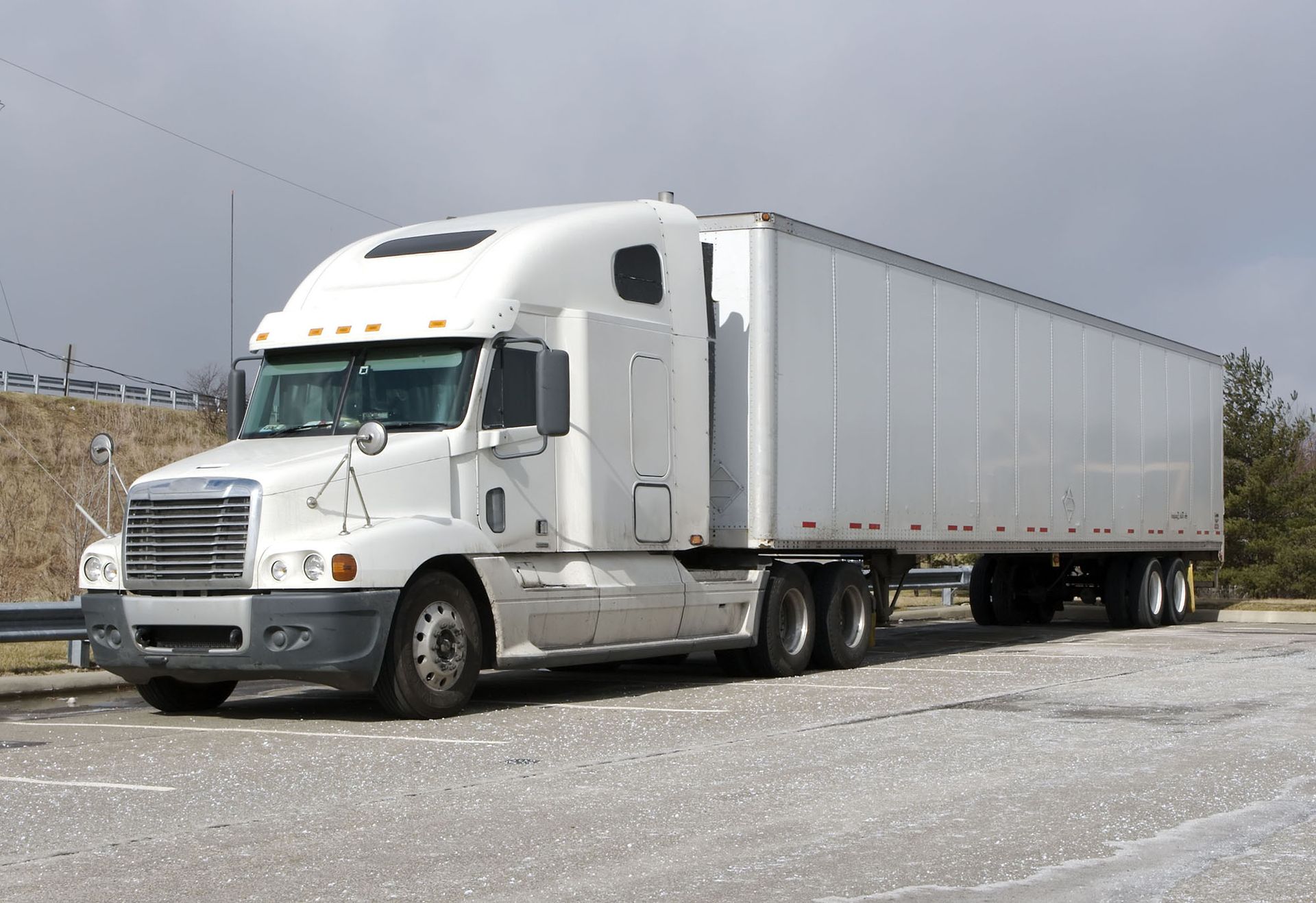
When it comes to maximizing the versatility of your Ford F-150, a trailer hitch receiver is an essential accessory that offers numerous advantages for towing enthusiasts. This innovative addition not only enhances your vehicle’s capabilities but also opens up a world of possibilities for both work and leisure activities.The utility of a trailer hitch receiver extends far beyond mere towing.
By integrating this robust component into your Ford F-150, you can easily transport trailers, boats, campers, and various other loads, making your truck a powerful tool for both personal and professional use. This feature establishes your F-150 as a reliable partner for any adventure or job, ensuring that you can tackle diverse tasks with ease and confidence.
Enhanced Towing Capacity
One of the most significant benefits of using a trailer hitch receiver is the enhanced towing capacity it provides. The Ford F-150 is already well-regarded for its impressive power, but adding a high-quality trailer hitch receiver can elevate its capabilities to new heights.
Upgrade your photography setup today! With our exclusive offer, you can trade in old DSLR get discount new and step into the future of photography. Enjoy the benefits of advanced technology while saving money, making it easier than ever to capture breathtaking images.
Here are the key aspects of enhanced towing capacity:
- Increased Load Limits: A trailer hitch receiver can increase your vehicle’s towing limit, allowing you to safely haul heavier items without compromising on performance.
- Improved Stability: A well-installed trailer hitch receiver ensures that your load remains stable during transit, reducing the risk of swaying or loss of control.
- Versatile Options: Many trailer hitch receivers come with adjustable features, letting you customize your towing experience based on the specific trailer or load you are transporting.
Increased Utility and Versatility
Adding a trailer hitch receiver transforms your Ford F-150 into a multi-functional vehicle capable of handling various tasks. From recreational activities like camping to heavy-duty work, the utility it provides is unparalleled.
Consider the following enhancements:
- Transporting Equipment: Whether you’re a contractor needing to transport tools or a weekend warrior hauling outdoor gear, a trailer hitch receiver makes it effortless.
- Recreational Opportunities: Towing trailers for camping, boating, or ATV riding expands your leisure activities, allowing for spontaneous weekend getaways.
- Efficient Hauling: Easily transport materials like wood, gravel, or furniture, making your truck indispensable for home improvement projects or moving tasks.
User Experiences and Testimonials
Many Ford F-150 owners have shared their positive experiences after installing a trailer hitch receiver. These firsthand accounts underscore the advantages and convenience this accessory brings to their lives.
“Adding a trailer hitch receiver to my F-150 changed everything. I can now tow my boat with ease, making summer weekends a blast!”
Adventure awaits with our durable roof rack cross bars for Jeep Wrangler. Engineered for strength and reliability, these cross bars are perfect for transporting your gear, from kayaks to camping equipment. Elevate your Jeep’s functionality and tackle any outdoor excursion with confidence.
“As a contractor, the ability to haul heavy equipment has been a game-changer. My F-150 is more than just a truck; it’s a workhorse!”
These testimonials highlight how a trailer hitch receiver not only enhances the performance of the Ford F-150 but also expands the horizons of what owners can achieve with their vehicles. From towing family trailers to carrying essential tools for work, the benefits are vast and significant.
Maintenance and Care
Maintaining your trailer hitch receiver is crucial for ensuring its durability and performance. Regular care not only prolongs the lifespan of your equipment but also guarantees safety during towing operations. By following a consistent maintenance routine, you can avoid costly repairs and enhance your Ford F-150’s towing capabilities.To keep your trailer hitch receiver in optimal condition, it’s essential to regularly clean, inspect, and address any issues that may arise.
Below is a comprehensive checklist to help you maintain your trailer hitch receiver effectively.
Regular Maintenance Checklist
Implementing a structured maintenance routine is vital for the longevity of your trailer hitch receiver. Consider the following checklist for regular inspections and care:
- Inspect the hitch for signs of rust or corrosion at least once a month.
- Ensure that all bolts and fasteners are tightly secured.
- Examine the wiring and electrical connections for any wear or damage.
- Clean the hitch with soap and water after every use, especially after towing in harsh environments.
- Lubricate the hitch ball and coupler with a suitable grease to prevent wear.
- Check the safety chains for any fraying or damage.
Cleaning and Inspection Best Practices
Proper cleaning and inspection are essential to maintain the integrity of your trailer hitch receiver. Regularly cleaning the hitch can prevent buildup of dirt and grime, which can lead to rust and damage over time.Begin by removing any debris or dirt from the hitch with a stiff brush. Follow up by washing the hitch with mild soap and water, ensuring that all surfaces are scrubbed clean.
Rinse thoroughly and let it dry completely to prevent moisture accumulation.Inspect the hitch for cracks, bends, or other signs of physical damage. Pay particular attention to the welds and joints, as these areas are critical to the hitch’s structural integrity. If any issues are detected, addressing them immediately is important to avoid further damage.
Troubleshooting Common Issues
Despite regular maintenance, occasional issues may arise with your trailer hitch receiver. Identifying and troubleshooting these problems promptly can save you from more extensive repairs later on.Common issues include difficulty in coupling or uncoupling the hitch, which may signify misalignment or debris in the locking mechanism. Regularly grease the locking components to ensure smooth operation.Another frequent concern is rust formation, particularly if the hitch is exposed to moisture.
If rust appears, it can be treated with a wire brush and rust-inhibiting paint to protect the metal.Unexpected noise during towing may indicate loose components. Inspect all fasteners and connections to ensure tightness. If noise persists, additional investigation may be necessary to identify the source.By adhering to these maintenance practices, you can keep your trailer hitch receiver for your Ford F-150 in top condition, ensuring safe and efficient towing experiences for years to come.
Safety Tips
Ensuring safety while using a trailer hitch receiver with your Ford F-150 is paramount for a smooth and secure towing experience. Adhering to specific guidelines can significantly reduce the risk of accidents and enhance your overall towing proficiency. Knowledge about weight distribution and the necessity of trailer brakes are crucial considerations.Understanding the importance of weight distribution is essential for maintaining control over your vehicle and the trailer during transit.
When a trailer is loaded, improper weight distribution can lead to swaying, which may result in a loss of control. Implementing trailer brakes enhances braking effectiveness, particularly when navigating hilly terrains or stopping suddenly. This ensures that both the truck and trailer respond uniformly to braking commands, further promoting safety.
Essential Safety Equipment
To maximize safety while using a trailer hitch receiver, certain equipment should always be utilized. These tools not only enhance your safety but also improve the towing experience overall. Here’s a list of essential safety equipment:
- Safety Chains: These provide an additional connection between the trailer and tow vehicle, ensuring the trailer remains attached even if the hitch fails.
- Weight Distribution Hitch: This equipment helps distribute the weight of the trailer evenly across the vehicle and trailer, improving stability.
- Trailer Brake Controller: This device allows for the synchronized braking of both the truck and trailer, significantly enhancing safety during stops.
- Breakaway Switch: A safety feature that activates the trailer brakes if it becomes disconnected from the tow vehicle.
- Reflective Tape: Adding reflective tape to your trailer improves visibility, especially during low light conditions.
- Tire Pressure Monitoring System: Monitoring tire pressure on both the truck and trailer can prevent blowouts and maintain optimal performance.
“Proper safety measures can significantly reduce the risks associated with towing, ensuring both your safety and that of other road users.”
Accessories and Upgrades
When it comes to optimizing your Ford F-150’s towing capabilities, the right accessories and upgrades can significantly enhance the functionality of your trailer hitch receiver. A well-equipped hitch not only increases your vehicle’s versatility but also ensures a secure and safe towing experience. With a variety of accessories available, it’s essential to choose those that best complement your towing needs.
Popular Accessories for Trailer Hitch Receivers
Enhancing your trailer hitch receiver with accessories can improve usability and security. Here are some popular options that cater to various towing requirements:
- Hitch Covers: These come in various designs and functionalities, protecting your hitch from dirt and debris while adding a personal touch to your F-150. Choose a cover that fits securely and offers a weather-resistant design.
- Hitch Locks: Security should be a top priority. Hitch locks safeguard against theft and ensure your equipment stays safely connected. Look for options that are durable and corrosion-resistant for long-lasting use.
- Drop Hitches and Rise Hitches: Adjustable hitches allow for flexibility in height, accommodating different trailer designs. This ensures a level towing experience, which is vital for stability and safety on the road.
- Wiring Harnesses: Integrate your trailer’s lighting system with your vehicle using a wiring harness. Proper wiring is critical for visibility and communication while towing.
- Sway Control Systems: These systems help maintain vehicle and trailer stability by reducing swaying, enhancing safety during transport.
Benefits of Different Hitch Covers and Locks
Choosing the right hitch cover and lock can determine the level of protection and personalization for your F-
150. Here’s a comparison of options available in the market
“A quality hitch cover not only elevates your vehicle’s aesthetics but also protects against environmental factors that can cause wear and tear.”
- Plastic Hitch Covers: Lightweight and affordable, these covers are easy to install and remove but may lack durability against harsh conditions.
- Metal Hitch Covers: These offer superior durability and are often designed to withstand rust and corrosion, providing long-lasting protection.
- Locking Hitch Pins: A must-have for serious towers, these pins prevent unauthorized removal of your hitch. Models with a weatherproof design are particularly effective in various climates.
- Standard Hitch Pins: While not as secure as locking pins, they are more affordable and sufficient for low-risk environments.
Recommended Upgrades Based on User Reviews
Upgrading your trailer hitch receiver enhances towing performance and safety. Based on user feedback, here is a list of recommended upgrades that can elevate your towing experience:
- Reese Towpower Class 3 Receiver: Highly praised for its durability and ease of installation, this receiver hitch is perfect for heavy-duty towing.
- CURT Adjustable Ball Mount: This feature-rich mount allows for height adjustments, making it versatile for various trailers.
- Blue Ox SwayPro Sway Control: Users rave about its effectiveness in reducing sway during towing, making it a top choice for safety-minded owners.
- B&W Turnoverball Gooseneck Hitch: For those needing versatility, this hitch allows for quick removal and switching between towing styles.
- Hopkins Plug-in Simple Wiring Kit: Provides an easy and reliable way to connect trailer lights, praised for its user-friendly installation and compatibility.
Legal and Regulatory Considerations
Understanding the legal and regulatory landscape for towing with a trailer hitch receiver on your Ford F-150 is crucial for both safety and compliance. Each state has specific laws governing trailer towing, which can vary significantly. Awareness of these regulations not only protects you from potential penalties but also ensures a safe towing experience for you and other road users.The legal requirements for towing can include specific weight limits, safety equipment, and licensing regulations that differ by state.
For instance, some states mandate the use of additional safety chains, while others may require your trailer to be equipped with functioning brake lights and turn signals. Additionally, exceeding weight limits can result in fines or even the impounding of your vehicle.
State-Specific Towing Laws
Each state has unique laws governing the use of trailer hitch receivers for towing. It’s essential to familiarize yourself with these regulations to avoid penalties and ensure safe towing practices. Below are some general resources and information regarding state-specific towing laws:
- Weight Limits: Most states impose weight limits on trailers based on the towing vehicle’s capacity. Exceeding these limits can lead to fines and unsafe driving conditions.
- Brake Requirements: Some states require trailers over a certain weight to have their own braking systems. This is critical for effective stopping power.
- Lighting Regulations: Many states require trailers to have functional brake lights, turn signals, and reflectors to ensure visibility on the road.
- Licensing and Registration: Certain states necessitate specific licenses or registrations for towing larger trailers. Ensure your documents are up to date.
Properly adhering to these regulations not only helps you avoid legal complications but also enhances your safety while towing.
“Compliance with towing regulations is not merely a legal obligation; it is a commitment to road safety.”
For owners seeking to check their state’s specific towing laws, several resources can provide valuable information:
- State Department of Motor Vehicles (DMV): Most states have a DMV website where you can find detailed towing regulations.
- National Highway Traffic Safety Administration (NHTSA): This federal resource offers guidelines and safety tips related to towing.
- Local Law Enforcement Agencies: Contacting your local police can help clarify towing laws specific to your area.
- Online Towing Law Guides: Websites dedicated to automotive safety often compile state-specific towing laws for easy reference.
FAQ Summary
What types of trailer hitch receivers are available for the Ford F-150?
There are several types of trailer hitch receivers available, including Class III, Class IV, and fifth-wheel hitches, each designed for different towing capacities.
How much weight can a trailer hitch receiver for Ford F-150 handle?
The weight capacity varies by the type of hitch receiver, but generally, they can handle from 5,000 to over 20,000 pounds, depending on the model.
What tools do I need to install a trailer hitch receiver?
Common tools required for installation include a wrench set, drill, socket set, and safety equipment.
Are there any specific maintenance tips for trailer hitch receivers?
Regularly inspect the receiver for rust, ensure bolts are tight, and clean it to prevent debris buildup for optimal performance.
Can using a trailer hitch receiver affect my vehicle’s warranty?
Using a trailer hitch receiver should not void your warranty, but always check with your dealership for specific terms and conditions.