Brakes near me is not just about finding a service; it’s about ensuring your vehicle’s safety and performance on the road. Knowing where to locate reliable brake services can make all the difference in maintaining your vehicle’s health and your peace of mind.
From understanding the various types of brakes and their unique functions to the importance of regular maintenance, this guide will walk you through everything you need to know. We’ll explore common signs of brake problems, the intricacies of brake repairs versus replacements, and even delve into the latest innovations in brake technology. Whether you’re looking for a quick inspection or considering a major repair, we’ve got you covered.
Types of Brakes
Brakes are a crucial component of any vehicle, ensuring safety and performance. Understanding the different types of brakes helps drivers make informed decisions about their vehicle maintenance. There are primarily two types of brakes used in vehicles: disc brakes and drum brakes.
Disc Brakes
Disc brakes consist of a rotor and brake caliper, which houses the brake pads. When the brake pedal is pressed, hydraulic fluid forces the caliper to squeeze the pads against the rotor, creating friction that slows down the vehicle.
- Advantages:
- Excellent heat dissipation, reducing brake fade.
- Better performance in wet conditions.
- Easier to inspect and replace.
- Disadvantages:
- More expensive to manufacture and replace.
- Susceptible to damage from debris.
- More complex installation compared to drum brakes.
Drum Brakes
Drum brakes operate using a drum and brake shoes. When the brake pedal is pressed, hydraulic fluid pushes the brake shoes outward against the inside surface of the drum, generating friction.
- Advantages:
- Usually less expensive than disc brakes.
- Better performance in some smaller vehicles.
- Less prone to damage from debris.
- Disadvantages:
- Poor heat dissipation can lead to brake fade.
- Performance can diminish in wet conditions.
- More difficult to inspect and replace.
Importance of Regular Brake Maintenance
Regular brake maintenance is essential for vehicle safety and reliability. Neglecting brake checks can lead to severe accidents or costly repairs. Key components of brake systems that require periodic inspection include brake pads, rotors, brake fluid, and brake lines.
Looking to elevate your photography game without breaking the bank? Discover the best camera for amateur photographer budget amateur fixthephoto photography gear that perfectly balances quality and affordability. This camera is designed with beginners in mind, ensuring you capture stunning images effortlessly. Whether you’re shooting landscapes or portraits, this gear will transform your creative vision into reality.
Brake Maintenance Checklist
To maintain your vehicle’s brakes effectively, follow this checklist:
- Check brake fluid levels and quality.
- Inspect brake pads for wear and tear.
- Examine rotors for any signs of warping or damage.
- Look for leaks in brake lines and connections.
- Test the brake pedal feel and responsiveness.
Finding Brake Services Nearby
Identifying quality brake service providers is crucial for maintaining vehicle safety. Several methods can help drivers locate reliable brake services in their area.
Evaluating Brake Service Shops
When selecting a brake service shop, consider the following factors:
- Check online reviews and ratings from previous customers.
- Inquire about the qualifications and experience of the technicians.
- Ask for estimates and compare prices.
- Look for warranties or guarantees on services provided.
Online Resources and Apps
Several online resources and mobile applications can assist in locating brake services:
- Google Maps for local service listings and reviews.
- Yelp for consumer reviews and ratings.
- RepairPal for estimating costs and finding certified shops.
Signs of Brake Problems: Brakes Near Me
Being aware of common symptoms indicating brake issues can prevent accidents and costly repairs. Signs to watch for include unusual noises, vibrations, and changes in brake responsiveness.
Implications of Ignoring Brake Warning Signs
Ignoring warning signs can lead to:
- Increased risk of accidents due to brake failure.
- Higher repair costs if the problem worsens.
- Potential damage to other vehicle components.
Seeking Professional Help
Drivers should seek professional help for brake repairs if they notice:
- Grinding or squeaking noises when braking.
- Vibrations in the brake pedal.
- Soft or spongy brake pedal feel.
Brake Repair vs. Replacement
Knowing when to repair or replace your brakes can save you money and ensure safety. Various factors influence this decision, including the condition of the brake components and the cost involved.
Cost-Effective Scenarios
Repairing brakes may be more economical when:
- The brake pads are worn but the rotors are in good condition.
- Minor adjustments are needed for proper alignment.
- Brake fluid needs flushing but other components are functional.
Estimating Costs
To estimate costs associated with brake services:
- Research average prices for brake parts and labor in your area.
- Request multiple quotes from different service providers.
- Consider additional services, such as brake fluid replacement or rotor resurfacing.
DIY Brake Inspection
Conducting a basic brake inspection at home can help you stay proactive about vehicle maintenance. Here’s a simple guide to follow:
Step-by-Step Guide
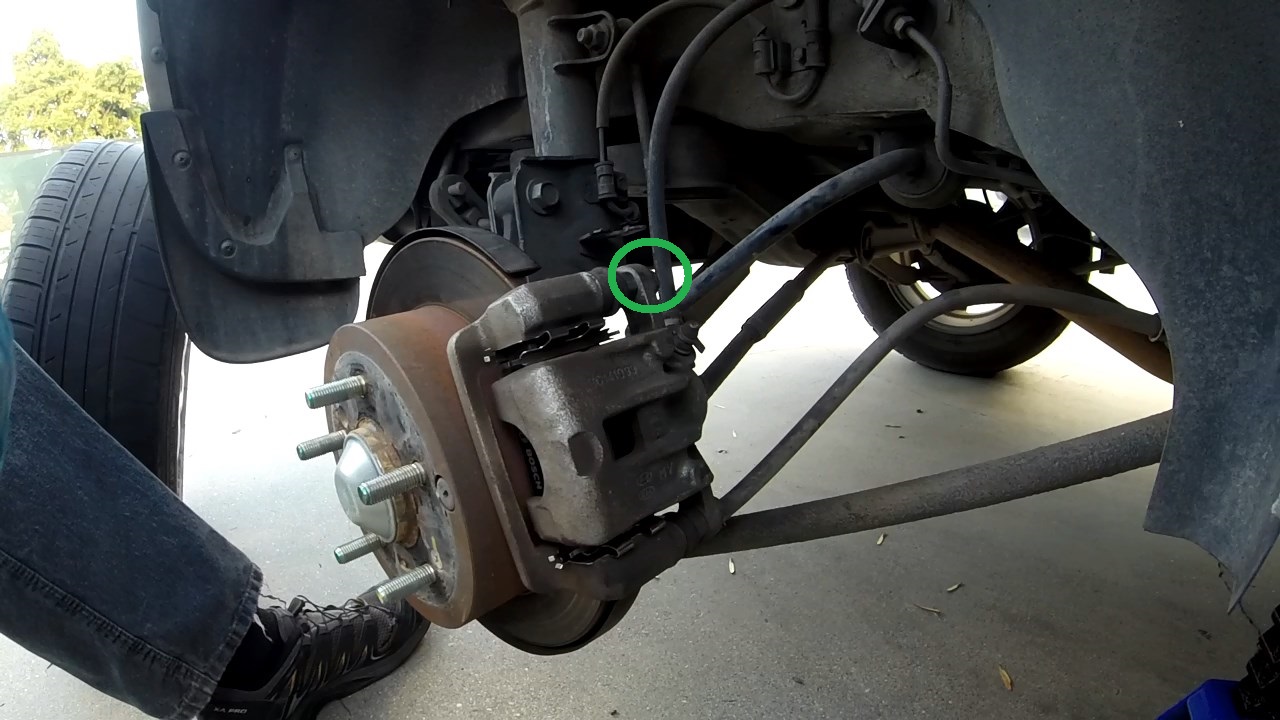
1. Gather necessary tools
For fashion enthusiasts aiming to capture the essence of style, look no further than the best camera for fashion photography fixthephotofixthephoto photography gear. This camera features advanced capabilities that allow you to showcase details and colors vibrantly, making it the perfect choice for any fashion shoot. Unleash your creativity and make your photos stand out with this essential gear.
jack, jack stands, lug wrench, and flashlight.
- Lift the vehicle securely using a jack and place it on jack stands.
- Remove the wheel to access the brake components.
- Inspect the brake pads for thickness and wear.
- Check the rotors for signs of scoring or warping.
- Examine the brake lines for leaks or damage.
- Reassemble the wheel and lower the vehicle.
Signs to Look for During a Brake Inspection, Brakes near me
| Sign | What It Indicates |
|---|---|
| Worn Brake Pads | Time for replacement. |
| Discoloration on Rotors | Possible overheating or warping. |
| Brake Fluid Leaks | Potential brake failure risk. |
Understanding Brake Fluid
Brake fluid is vital for the braking system’s functionality, transferring force from the brake pedal to the brakes. Different types of brake fluids exist, each with unique characteristics and performance levels.
Types of Brake Fluids
Brake fluids are classified into categories, including DOT 3, DOT 4, and DOT 5. Each type varies in boiling point, moisture absorption, and compatibility.
If you’re passionate about showcasing products in their best light, the best camera for product photography fixthephotofixthephoto photography gear is your go-to solution. Crafted to highlight the finest details and textures, this camera ensures your product images are nothing short of professional. Elevate your online store or portfolio with stunning visuals that capture attention and drive sales.
- DOT 3: Common in standard vehicles, absorbs moisture quickly.
- DOT 4: Higher boiling point suitable for performance vehicles.
- DOT 5: Silicone-based, non-hygroscopic, used in specialty applications.
Maintaining Brake Fluid Levels
Regular checks of brake fluid levels and quality are essential for safe driving. Contaminated or low brake fluid can lead to compromised braking performance.
Quick FAQs
What are the signs I need brake service?
Common signs include squeaking or grinding noises, a spongy brake pedal, or a warning light on your dashboard.
How often should I have my brakes checked?
It’s recommended to have your brakes inspected at least once a year or every 12,000 miles, whichever comes first.
Can I perform brake maintenance myself?
Yes, basic inspections can be done at home, but any repairs should be handled by a professional to ensure safety.
What does brake fluid do?
Brake fluid transfers force from the brake pedal to the brakes themselves, allowing for effective braking.
Are there different types of brake fluids?
Yes, there are various types of brake fluids, such as DOT 3, DOT 4, and DOT 5, each with different properties and applications.