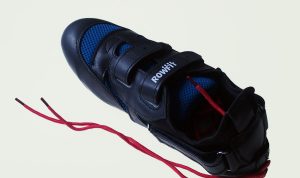
Medical footwear takes center stage in the quest for optimal foot health and enhanced mobility. Designed specifically to address various foot-related health issues, these specialized shoes offer the perfect balance of comfort and support, ensuring that you don’t compromise on style while prioritizing your well-being. With a focus on preventing complications from conditions such as diabetes and arthritis, medical footwear is truly a game-changer for those seeking a healthier lifestyle.
From diabetic shoes to orthopedic options, this versatile category of footwear is tailored to meet the unique needs of individuals. Equipped with essential features like arch support, cushioning, and breathability, medical footwear not only promotes foot health but also enhances overall quality of life. Read on to discover the benefits, types, and maintenance tips for these remarkable shoes that are reshaping how we think about foot care.
Are you wondering where can you buy dhea supplements ? Look no further! Explore top retailers that offer premium DHEA supplements to support your wellness journey. Enhance your health and vitality with trusted products that can make a real difference in your everyday life!
Importance of Medical Footwear
Medical footwear plays a crucial role in preventing foot-related health issues, which can significantly impact overall well-being. Properly designed medical shoes help alleviate pressure points, provide necessary support, and enhance mobility for individuals with specific health concerns. Research indicates that poor footwear choices can lead to complications such as foot pain, deformities, and reduced quality of life.A study by the American Podiatric Medical Association highlights that nearly 70% of Americans experience foot pain at some point in their lives, often exacerbated by inadequate footwear.
Proper medical footwear not only addresses these issues but also improves balance and reduces the risk of falls, especially in older adults.
Unlock incredible savings with the latest famous footwear coupon code 2025 ! Step into style and comfort without breaking the bank. Whether you’re looking for sneakers, boots, or sandals, there’s something for everyone. Don’t miss out on this fantastic opportunity to upgrade your footwear collection while enjoying unbeatable discounts!
Types of Medical Footwear
Medical footwear comes in various forms, each designed to address specific conditions. Understanding the types available can help individuals make informed choices for their foot health.
- Diabetic Shoes: These shoes offer extra depth and width, accommodating foot deformities and reducing pressure points, which is crucial for individuals with diabetes.
- Orthopedic Shoes: Designed to support the foot structure, these shoes help alleviate pain associated with conditions like arthritis or plantar fasciitis.
- Post-Surgical Footwear: Specially designed to aid recovery after surgery, these shoes provide support and protection to the affected area.
- Compression Stockings: While not footwear per se, these are often used in conjunction with shoes to improve circulation and reduce swelling.
| Type of Footwear | Features | Benefits |
|---|---|---|
| Diabetic Shoes | Extra depth, soft materials | Reduces risk of ulcers and promotes healing |
| Orthopedic Shoes | Arch support, cushioned insoles | Relieves pain and supports foot alignment |
| Post-Surgical Footwear | Lightweight, protective | Facilitates recovery and prevents further injury |
Key Features of Medical Footwear

When selecting medical footwear, several key features should be considered to ensure optimal foot health and comfort.
- Arch Support: Essential for maintaining proper foot alignment and reducing strain.
- Cushioning: Provides comfort and absorbs shock, which is vital for those who spend long hours on their feet.
- Breathability: Materials that allow air circulation help keep feet dry and reduce the risk of infections.
- Adjustability: Features like Velcro straps or laces allow for a customized fit, which is especially important for those with swelling.
Some recommended brands known for their high-quality medical footwear include:
- New Balance for diabetic shoes
- Asics for orthopedic support
- Brooks for cushioned running shoes
Benefits of Custom-Made Medical Footwear
Custom-made footwear offers distinct advantages over off-the-shelf options. Tailored to individual foot shape and health requirements, these shoes can significantly enhance comfort and effectiveness.The process of obtaining custom medical footwear typically involves a thorough assessment of foot structure and gait analysis by a healthcare professional. This ensures that the final product meets the specific needs of the individual.Testimonials from users highlight the transformative effects of custom solutions.
For instance, a recent case study revealed that patients with chronic foot pain experienced a 60% reduction in discomfort after switching to custom-made shoes, underscoring their effectiveness in improving quality of life.
Maintenance and Care for Medical Footwear
Proper maintenance is essential for extending the lifespan of medical footwear. Adopting best practices can ensure that shoes remain effective in supporting foot health.Cleaning and caring for medical footwear involves several steps:
- Remove insoles and clean them separately with mild soap and water.
- Wipe the exterior with a damp cloth, ensuring to avoid soaking the shoes.
- Allow shoes and insoles to air dry completely before wearing them again.
- Store in a cool, dry place, avoiding exposure to direct sunlight.
It is also important to recognize when to replace medical footwear. Signs include visible wear, loss of cushioning, and reduced support. Regularly evaluating the condition of footwear is key to maintaining optimal foot health.
Discover the perfect blend of style and comfort with tata footwear. Offering a wide range of trendy designs crafted with quality materials, Tata Footwear is your go-to choice for every occasion. Elevate your shoe game today and make a statement with footwear that not only looks good but feels great!
Common Misconceptions about Medical Footwear
Misinformation surrounding medical footwear can lead to poor choices, ultimately compromising foot health. Addressing these misconceptions is crucial for making informed decisions.
- Myth: Medical footwear is unattractive and bland.
- Reality: Many brands now offer stylish designs without sacrificing function.
- Myth: All medical footwear is expensive.
- Reality: Various options are available at different price points, including budget-friendly models.
Understanding the difference between these myths and realities can help consumers choose footwear that meets their functional and aesthetic needs.
Future Trends in Medical Footwear
Emerging technologies and materials are shaping the future of medical footwear. Innovations such as 3D printing and smart footwear promise to enhance comfort and support.In the coming years, we can expect advancements like:
- Adaptive materials that adjust to foot shape and temperature
- Integrated sensors to monitor foot health and activity levels
- Eco-friendly options utilizing sustainable materials
These innovations aim to improve patient care while addressing the growing demand for personalized medical footwear.
Recommendations for Specific Conditions
Choosing the right medical footwear for specific conditions is essential for effective management. Each ailment requires tailored support and features.For conditions like plantar fasciitis, diabetes, and arthritis, here are some recommended styles:
| Condition | Recommended Footwear | Benefits |
|---|---|---|
| Plantar Fasciitis | Cushioned, arch-supporting shoes | Reduces strain on the plantar fascia |
| Diabetes | Extra depth diabetic shoes | Prevents foot ulcers and ensures comfort |
| Arthritis | Orthopedic shoes | Provides necessary support and reduces pain |
Consulting healthcare professionals is critical for personalized recommendations, ensuring that individuals receive the best possible care tailored to their specific needs.
FAQ Guide: Medical Footwear
What is medical footwear?
Medical footwear refers to specialized shoes designed to address specific foot-related health issues, providing support and comfort for various conditions.
Who should consider wearing medical footwear?
Individuals with foot conditions such as diabetes, plantar fasciitis, or arthritis, as well as those seeking preventative care, should consider medical footwear.
How does custom-made medical footwear differ from off-the-shelf options?
Custom-made medical footwear is tailored to an individual’s specific foot shape and medical needs, offering superior comfort and support compared to standard options.
How can I maintain my medical footwear?
Regular cleaning, proper storage, and timely replacement of worn-out shoes are essential for maintaining the longevity and effectiveness of medical footwear.
Are there any misconceptions about medical footwear?
Yes, common misconceptions include the belief that all medical footwear is unattractive or that they are only necessary for severe conditions, which is not true.