Orthotics footwear is revolutionizing the way we care for our feet, providing not just support but also enhancing overall foot health. Designed specifically to address various foot issues, these specialized shoes are tailored to meet the unique needs of individuals seeking relief and comfort. With a rich history that showcases their evolution, orthotics footwear stands apart from regular shoes by offering customized solutions that promote better alignment and prevent discomfort.
The market is flooded with options, from custom-made designs tailored to your feet to off-the-shelf solutions that cater to common problems. Each type brings its unique benefits, ensuring that there is something for everyone, whether you’re an athlete, a busy professional, or someone managing specific foot conditions.
Introduction to Orthotics Footwear
Orthotics footwear is designed to support, align, or improve the function of the foot. Its primary goal is to enhance foot health by addressing various foot-related issues such as pain, instability, and discomfort. The concept of orthotic footwear dates back centuries, evolving from simple foot wraps to technologically advanced designs that cater to specific medical needs. Unlike regular footwear, which focuses primarily on aesthetics and comfort, orthotics footwear is engineered with special features that provide support and corrective measures for individuals with chronic foot conditions.
Step into style and comfort with Groove footwear. These innovative designs combine functionality with a modern twist, making them perfect for both work and play. Experience the blend of durability and fashion that keeps you looking sharp while supporting your feet with every step.
History and Evolution of Orthotics Footwear
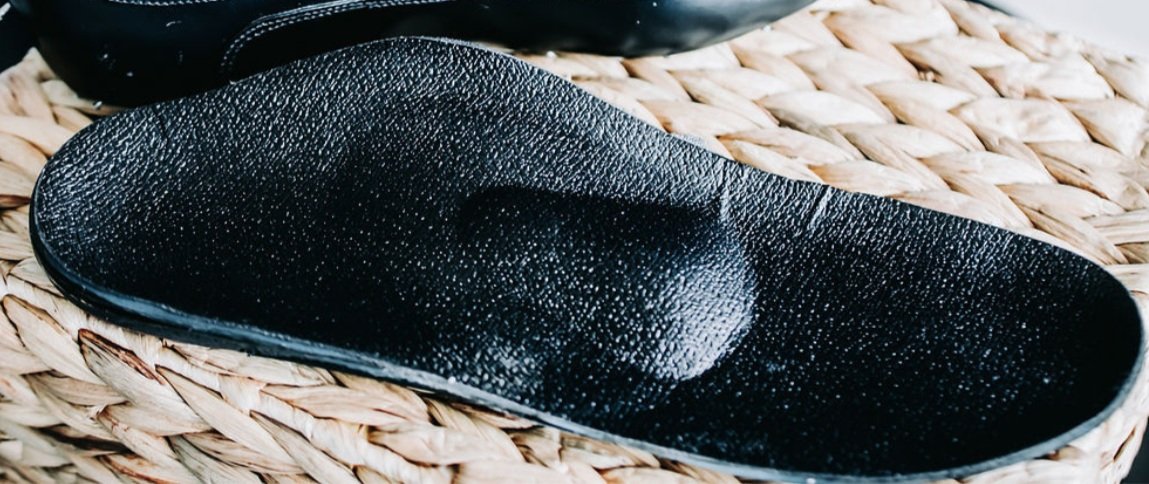
The history of orthotics footwear can be traced back to ancient civilizations, where rudimentary foot supports were created using natural materials. Over time, with advancements in medical science and technology, the design of orthotics footwear has significantly evolved. Today, a variety of materials and manufacturing techniques are utilized to produce both custom-made and off-the-shelf orthotics. While regular footwear is typically made for general use without specific support features, orthotics footwear is specifically designed to address individual foot mechanics, ensuring better alignment and posture.
Types of Orthotics Footwear
There is a wide range of orthotics footwear available on the market, catering to different needs and conditions. The primary distinction lies between custom-made orthotics, which are tailored to an individual’s unique foot structure, and off-the-shelf options that provide general support.
- Custom-Made Orthotics: These are crafted based on detailed foot scans and measurements, ensuring a perfect fit for the user.
- Off-the-Shelf Orthotics: These are pre-designed and available in various sizes, offering general support for common foot problems.
- Examples of Brands:
- Orthofeet: Known for their therapeutic footwear designed specifically for diabetes and arthritis.
- Brooks: Offers running shoes with supportive insoles for athletes.
- New Balance: Provides a line of sneakers with built-in arch support and cushioning.
Benefits of Orthotics Footwear
Utilizing orthotics footwear can lead to significant health benefits, especially for those suffering from chronic foot conditions. These shoes help alleviate common issues like plantar fasciitis, bunions, and flat feet by redistributing pressure across the foot.
“Orthotics footwear has significantly reduced my daily foot pain, allowing me to enjoy my walks again.”
Satisfied Customer
Evidence from case studies illustrates that many users experience improved mobility and decreased discomfort when using properly designed orthotics footwear.
Fitting and Sizing for Orthotics Footwear
Proper fitting and sizing are crucial to ensure the effectiveness of orthotics footwear. Incorrectly sized shoes can exacerbate foot problems rather than alleviate them. To measure your feet for orthotics:
- Stand on a piece of paper and trace your foot Artikel.
- Measure the length and width of your foot.
- Consult sizing charts provided by the orthotics manufacturer.
Common fitting issues include insufficient arch support or excessive pressure points, which can often be resolved by choosing the right style or size of footwear.
Choosing the Right Orthotics Footwear
Selecting the appropriate orthotics footwear requires careful consideration of individual needs and lifestyle factors. Here’s a checklist to guide your decision-making:
- Identify specific foot conditions (flat feet, high arches, etc.).
- Consider daily activities (walking, running, standing).
- Choose materials that offer breathability and durability.
Comparing features such as cushioning, arch support, and heel height can also significantly impact comfort and effectiveness in daily use.
Maintenance and Care for Orthotics Footwear
Taking care of your orthotics footwear is essential for prolonging their lifespan. To maintain your orthotics:
- Clean them regularly with mild soap and water.
- Inspect for signs of wear, such as uneven soles or decreased cushioning.
- Store them in a cool, dry place to prevent material degradation.
Recognizing signs when to replace your footwear, such as discomfort while walking or visible damage, is vital for continued foot health.
Innovations in Orthotics Footwear
Recent technological advancements have transformed the design of orthotics footwear. Innovations include the use of 3D printing for custom insoles and smart technology that monitors foot pressure and gait.Future trends indicate a shift towards more personalized footwear solutions, leveraging data analytics and wearable tech to enhance comfort and support. Research studies continue to contribute to this field, ensuring that orthotics footwear evolves alongside our understanding of foot health.
When it comes to workplace safety, understanding OSHA regulations on footwear is essential. These regulations ensure that employees are equipped with the proper protective footwear necessary to prevent injuries. Make safety a priority with compliant shoes that not only protect but also provide comfort throughout the day.
Orthotics Footwear for Specific Conditions
Orthotics footwear plays a crucial role in managing various health conditions. For individuals with diabetes, specialized shoes help prevent ulcers and other complications. Similarly, those with plantar fasciitis find relief through shoes designed with enhanced arch support and cushioning.Athletes and active individuals also benefit from orthotics footwear, as these shoes are tailored to support high-impact activities while minimizing injury risks.
Financial Considerations and Insurance, Orthotics footwear
The cost of orthotics footwear can vary significantly, with custom options being more expensive than off-the-shelf choices. Many insurance plans offer coverage for orthotics, but it is essential to verify specific policy details.Available resources for financial assistance include health savings accounts and flexible spending accounts, which can help alleviate the financial burden associated with acquiring necessary orthopedic footwear.
Elevate your footwear game with Tata footwear , where craftsmanship meets contemporary design. Each pair is crafted to provide exceptional support and style, making them a must-have for any wardrobe. Discover the perfect balance of elegance and comfort that Tata brings to your everyday life.
FAQ: Orthotics Footwear
What are the signs that I need orthotics footwear?
Common signs include persistent foot pain, discomfort during activities, or misalignment issues in your posture.
Can I wear orthotics footwear for sports?
Yes, there are specialized orthotics designed for various sports to provide support and enhance performance.
How do I clean my orthotics footwear?
Most orthotics can be wiped down with a damp cloth; ensure to follow specific cleaning guidelines provided by the manufacturer.
How long do orthotics footwear typically last?
With proper care, orthotics footwear can last anywhere from six months to a couple of years, depending on usage.
Are orthotics footwear covered by insurance?
Many insurance plans cover orthotics footwear, but it’s best to check with your provider for specific details.