Copper Sink – Hand-Hammered Vessel Sink – Sinkology sets the stage for this enthralling narrative, offering readers a glimpse into a world where craftsmanship meets functionality. Copper sinks are celebrated not only for their stunning aesthetic appeal but also for their durability and unique antibacterial properties. The rising trend of hand-hammered vessel sinks reflects a shift in modern interior design, where homeowners crave distinctive and luxurious elements that stand out in their spaces. Sinkology’s offerings, characterized by exquisite craftsmanship and innovative designs, set them apart in a saturated market, making them a top choice for those looking to elevate their kitchen or bathroom.
Overview of Copper Sinks
Copper sinks are renowned for their unique aesthetic and functional properties. They are naturally antimicrobial, making them a hygienic choice for kitchens and bathrooms. The rich, warm tones of copper also add an elegant touch to any space, making them a popular selection in modern interior design. Among these, hand-hammered vessel sinks have gained immense popularity due to their distinctive appearance and artisanal craftsmanship. Sinkology’s copper sinks stand out in a crowded market, offering an exceptional combination of durability, beauty, and functionality that appeals to homeowners and designers alike.
Characteristics and Benefits of Copper Sinks
Copper sinks boast several unique characteristics, including:
- Durability: Copper is a strong material that can withstand the rigors of daily use, making it less prone to cracking or chipping compared to other materials.
- Antimicrobial Properties: Copper naturally kills bacteria, providing a healthier environment in kitchens and bathrooms.
- Unique Aesthetic: Each copper sink has a distinct look, from color variations to surface textures, which can elevate the overall design of a space.
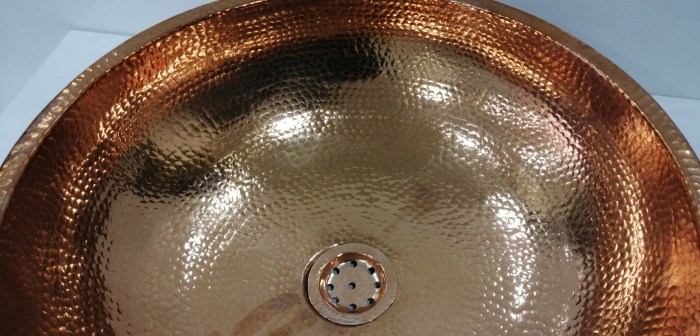
The hand-hammered finish creates a textured surface that not only enhances visual appeal but also helps to hide scratches and water spots, making maintenance simpler.
Popularity of Hand-Hammered Vessel Sinks
In contemporary design, hand-hammered vessel sinks are increasingly favored for their artistic quality and ability to blend with various decor styles. They serve as focal points in bathrooms or kitchens, often reflecting a rustic or artisanal charm. This trend towards personalization and uniqueness in home decor is driving the popularity of these sinks.
Unique Qualities of Sinkology’s Copper Sinks
Sinkology’s copper sinks differentiate themselves through:
- Exceptional craftsmanship that emphasizes quality and detail.
- A commitment to using 100% recycled copper, supporting sustainability.
- A variety of patina finishes that cater to different aesthetic preferences.
These qualities position Sinkology as a leader in the copper sink market, appealing to design-savvy consumers who value both beauty and functionality.
Hand-Hammered Techniques
The process of hand-hammering copper is both an art and a science. This traditional technique not only shapes the metal but also enhances its texture and visual appeal. The impact of hand-hammering is significant, resulting in a surface that catches light in unique ways, creating depth and character.
Craftsmanship in Creating Hand-Hammered Vessel Sinks
The craftsmanship involved in creating hand-hammered vessel sinks is meticulous. Skilled artisans use specialized tools to hammer the copper, resulting in an intricate pattern that is both functional and beautiful. This labor-intensive process ensures that every sink is a one-of-a-kind piece of art, showcasing the dedication and skill of its maker.
Comparison of Hand-Hammering Techniques
Sinkology employs distinctive hand-hammering techniques that set their products apart from other manufacturers. While some brands may use machine-assisted processes, Sinkology focuses on traditional methods that highlight artisan skill. This results in:
- Deeper textures that enhance the sink’s visual appeal.
- A more durable finish that withstands wear and tear.
- A greater variety of design options that cater to modern tastes.
Design Options and Aesthetics
Copper sinks are incredibly versatile and can complement numerous design styles. Their warmth and unique textures allow them to blend seamlessly with various aesthetics, from rustic farmhouse to sleek contemporary.
Design Styles That Complement Copper Sinks
Many design styles harmonize beautifully with copper sinks. Some popular themes include:
| Design Theme | Color Scheme | Materials |
|---|---|---|
| Rustic Farmhouse | Earthy tones, whites | Wood, stone, wrought iron |
| Modern Industrial | Grays, blacks, metallics | Concrete, stainless steel |
| Contemporary | Bold colors, neutrals | Glass, sleek cabinetry |
These combinations create inviting spaces that highlight the beauty and utility of copper sinks.
Color Variations and Patinas
Sinkology offers a variety of patinas that evolve over time, enhancing the sink’s character. These finishes not only provide aesthetic appeal but also enhance the sink’s ability to resist tarnishing and wear, ensuring that each sink maintains its beauty for years.
Care and Maintenance
Maintaining a copper sink requires special attention to preserve its beauty and longevity. Understanding the care practices will help homeowners keep their sinks looking pristine.
Best Practices for Maintaining Copper Sinks
To ensure the longevity of copper sinks, adhere to the following maintenance practices:
- Clean regularly with mild soap and a soft cloth to prevent tarnishing.
- Avoid abrasive cleaners that can scratch the surface.
- Use a wax coating periodically to protect the finish.
These practices will help maintain the sink’s natural luster and beauty.
Preventing Tarnishing and Preserving Finish
To prevent tarnishing, it is essential to dry the sink after use. Additionally, applying a protective wax can create a barrier against moisture and contaminants, preserving the sink’s finish for an extended period.
Maintenance Routine for Sinkology Products
Follow this simple maintenance routine for Sinkology copper sinks:
- After each use, rinse the sink with warm water and dry it with a soft cloth.
- Weekly, clean with a gentle soap solution and rinse thoroughly.
- Every month, apply a thin layer of wax designed for copper finishes.
This routine ensures that the sink remains beautiful and functional for years to come.
Environmental and Health Considerations
Copper sinks are not only aesthetically pleasing but also offer numerous environmental and health benefits.
Eco-Friendly Aspects of Copper
Copper is a sustainable material, often sourced from recycled metals. Its production process has a lower environmental impact compared to other materials, making it an eco-friendly choice for conscientious consumers.
Health Benefits of Copper
Using copper in kitchen and bathroom environments promotes health benefits due to its antimicrobial properties. Studies have shown that copper surfaces can significantly reduce the presence of harmful bacteria, contributing to a healthier home environment.
Sustainability of Copper Sink Production
The sustainability of copper sink production is supported by:
- Higher recycling rates compared to other metals.
- Lower energy consumption during production.
- Longevity of copper sinks, reducing the need for replacements.
Customer Feedback and Popularity
Customer testimonials highlight the unique features and satisfaction levels of Sinkology’s hand-hammered sinks.
Testimonials from Customers
Many customers appreciate the craftsmanship and aesthetics of Sinkology’s sinks. They often mention their satisfaction with the durability and ease of maintenance.
Reasons Behind the Popularity of Copper Sinks
The popularity of copper sinks in residential remodeling projects is fueled by:
- The desire for unique, artisan products.
- Environmental sustainability considerations.
- The growing trend of incorporating natural materials into home design.
User Reviews Highlighting Unique Features
“I love my Sinkology copper sink! The hand-hammered texture is stunning and adds a touch of luxury to my kitchen. It’s also incredibly easy to clean!”
Installation Process: Copper Sink – Hand-Hammered Vessel Sink – Sinkology
Installing a copper vessel sink can transform a space and enhance its overall functionality.
Installation Requirements for Copper Vessel Sinks, Copper Sink – Hand-Hammered Vessel Sink – Sinkology
Before beginning the installation, ensure you have the appropriate tools and materials. The process typically requires:
- Measuring the countertop space to ensure a proper fit.
- Preparing the plumbing connections according to the manufacturer’s guidelines.
Guide for Homeowners on Installing a Hand-Hammered Sink
To install a hand-hammered sink, follow these steps:
- Turn off the water supply and remove the existing sink.
- Position the new sink in the countertop cutout.
- Secure the sink and connect the plumbing.
- Turn the water supply on and check for leaks.
This straightforward guide allows homeowners to achieve a successful installation.
Tools and Materials Needed for Installation
Gather the following tools and materials for a smooth installation process:
- Adjustable wrench
- Screwdriver
- Plumber’s putty
- Silicone caulk for sealing
Comparison with Other Sink Materials
Copper sinks offer distinct advantages over traditional materials such as ceramic, stainless steel, and composite sinks.
Durability and Maintenance Comparison
When comparing copper sinks to other materials, the following points should be considered:
| Material | Durability | Maintenance |
|---|---|---|
| Copper | Highly durable, resists chipping | Requires regular cleaning and occasional wax |
| Ceramic | Can chip or crack | Easy to clean but requires careful handling |
| Stainless Steel | Durable but prone to scratches | Simple maintenance with regular cleaning |
| Composite | Moderate durability | Requires specific cleaners to avoid damage |
Pros and Cons of Choosing Hand-Hammered Copper Sinks
Choosing a hand-hammered copper sink comes with its own set of advantages and disadvantages:
- Pros: Unique aesthetic, durability, antimicrobial properties, eco-friendly.
- Cons: Requires maintenance to prevent tarnishing, higher initial cost compared to some materials.