Good Genes – Lactic Acid Treatment – Sunday Riley sets the stage for this enthralling narrative, offering you a deep dive into a skincare revolution. With its sophisticated formulation, this treatment harnesses the power of lactic acid to transform your skin, promoting a radiant and youthful appearance. From its luxurious texture to its user-friendly application, this product promises to deliver significant benefits for various skin types.
Lactic acid serves as a gentle yet effective exfoliant, enhancing cell turnover and hydration while minimizing irritation. As we explore the intended benefits, we’ll unveil how Good Genes can seamlessly integrate into your daily skincare routine, ensuring you enjoy the best of what this innovative treatment has to offer.
Overview of Good Genes – Lactic Acid Treatment: Good Genes – Lactic Acid Treatment – Sunday Riley
Good Genes by Sunday Riley is a powerful lactic acid treatment designed to deliver a range of skin benefits. The formulation features a blend of lactic acid, which is a type of alpha hydroxy acid (AHA), along with other key ingredients such as licorice, aloe, and lemongrass. These components work synergistically to enhance skin texture and clarity. The intended skin benefits of lactic acid include gentle exfoliation, improved hydration, and a more radiant appearance.
The texture of Good Genes is lightweight and creamy, allowing for easy application. It absorbs quickly into the skin without leaving a greasy residue. To apply, users should dispense a small amount onto clean skin and gently massage it until fully absorbed, typically used after cleansing and before moisturizing.
Benefits of Lactic Acid for Skin
Lactic acid is renowned for its ability to promote cell turnover and exfoliation. By gently removing dead skin cells from the surface, it facilitates a smoother skin texture and helps to reveal healthier, more vibrant skin underneath. Furthermore, lactic acid boasts hydrating properties, attracting moisture to the skin and keeping it plump and well-hydrated.
This treatment can be beneficial for various skin types, including dry, normal, and even sensitive skin. Its gentle nature makes it suitable for those who might find harsher exfoliants irritating.
Comparisons with Other Exfoliating Acids
When comparing lactic acid with glycolic acid, lactic acid is often regarded as less irritating while still being effective. Glycolic acid, derived from sugar cane, is stronger and can lead to more redness or irritation in sensitive skin types.
Additionally, lactic acid offers advantages over salicylic acid, particularly for individuals dealing with dry or sensitive skin. While salicylic acid is effective for acne-prone skin due to its oil-soluble nature, lactic acid provides hydration, making it ideal for those seeking to address both exfoliation and moisture retention.
Lactic acid also interacts well with other skincare ingredients. It can be layered with retinol or vitamin C to enhance overall skin benefits without the heightened risk of irritation that might accompany combining stronger acids.
Recommended Usage and Application Techniques
Incorporating Good Genes into a daily skincare routine can be straightforward. Follow these steps for optimal results:
- Begin with a clean face, using a gentle cleanser appropriate for your skin type.
- After cleansing, apply a small amount of Good Genes onto your fingertips.
- Massage the product evenly across the face, avoiding the eye area.
- Allow the product to absorb fully before applying moisturizer or other treatments.
- Use it in the morning for a brighter complexion or at night for deep exfoliation.
For best results, consider layering Good Genes with compatible products such as a hyaluronic acid serum or a light moisturizer to enhance hydration and overall skin health.
Potential Side Effects and Precautions
While lactic acid is generally well-tolerated, some users may experience common side effects such as redness, irritation, or a tingling sensation upon application. It is advisable to conduct a patch test before full application, particularly for those with sensitive skin.
Starting with a lower frequency of use, such as every other day, can help the skin acclimate. Individuals with certain skin conditions, such as rosacea or those using other strong active ingredients, should consult a dermatologist prior to use.
Customer Reviews and Testimonials, Good Genes – Lactic Acid Treatment – Sunday Riley
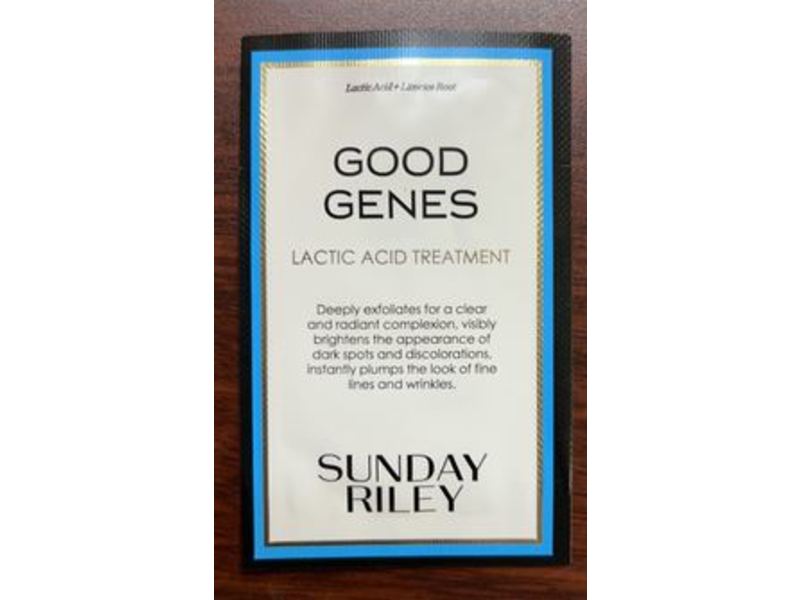
User experiences with Good Genes reveal a variety of outcomes. Many customers report visible improvements in skin texture and brightness after consistent use. Feedback often highlights the pleasant, non-greasy texture and the soothing scent of the product.
Common themes in reviews include satisfaction with the product’s ability to minimize the appearance of fine lines and enhance overall skin radiance. However, some users with specific skin types report varying degrees of sensitivity, emphasizing the importance of individual skin response.
Price Point and Value for Money
Good Genes is typically priced at a premium compared to other exfoliating treatments on the market. However, many users find that the results justify the investment, particularly in terms of the product’s effectiveness and quality of ingredients.
A comparison of cost-per-use can be insightful. Here’s a brief table illustrating how Good Genes measures against similar products:
| Product | Price | Size (oz) | Cost per Use |
|---|---|---|---|
| Good Genes | $85 | 1.0 | $1.70 |
| Alternative A | $60 | 1.5 | $1.20 |
| Alternative B | $45 | 1.0 | $1.00 |
Frequently Asked Questions
Misconceptions about lactic acid treatments often arise, including beliefs that they are only suitable for oily skin types. In reality, lactic acid can provide substantial benefits for all skin types if used correctly.
Layering Good Genes with other active ingredients can be done; however, it’s recommended to space applications apart to avoid irritation. For longevity of results, users typically notice benefits lasting several days post-treatment, but regular use is essential for maintaining skin improvements.