Kabuki Strength Duffalo Bar: Testing the Best Proprietary Curve Bar for Squats – Kabuki Strength Duffalo Bar Testing the Best Proprietary Curve Bar for Squats is your ultimate guide to understanding the innovative design and performance benefits of this exceptional squat bar. With its unique proprietary curve, the Duffalo Bar stands out from traditional bars, offering enhanced ergonomics and versatility. Crafted from high-quality materials, this bar not only elevates your workout experience but also promises durability and comfort during every squat session.
Explore how this thoughtfully designed bar can significantly reduce shoulder and wrist strain, allowing you to achieve greater squat depth and increased range of motion. Dive into the world of the Duffalo Bar and discover the advantages that make it a must-have for fitness enthusiasts of all levels.
Overview of the Kabuki Strength Duffalo Bar: Kabuki Strength Duffalo Bar: Testing The Best Proprietary Curve Bar For Squats
The Kabuki Strength Duffalo Bar is a revolutionary piece of equipment designed specifically to enhance your squat experience. With its unique curve, the Duffalo Bar allows for a more natural positioning of the shoulders and elbows, optimizing your squat mechanics unlike any traditional barbell. This proprietary curve alleviates discomfort and promotes better lifting posture, making it a favorite among lifters of all levels.
The proprietary curve of the Duffalo Bar is its standout feature. Unlike traditional flat bars, the curve facilitates a more ergonomic grip, allowing lifters to maintain a neutral wrist position. This results in less strain on the joints and a more comfortable lifting experience. Constructed from high-quality steel, the bar is built to withstand heavy loads while providing the flexibility needed for optimal performance.
Benefits of Using the Duffalo Bar for Squats
The ergonomic advantages of the Duffalo Bar are plentiful, particularly during squat movements. The design promotes a more upright torso angle, which can lead to improved squat depth and overall performance. Key benefits include:
- Reduced shoulder and wrist strain: The angled design minimizes pressure on the shoulders and wrists, allowing for more comfortable lifting.
- Enhanced squat depth: The Duffalo Bar encourages deeper squats by allowing a more natural movement pattern, which can help in developing strength and muscle mass.
- Increased range of motion: Lifters often find they can achieve a greater range of motion, which is essential for optimal muscle engagement.
Testing Methodology for the Duffalo Bar
Testing the Duffalo Bar involves a systematic approach to evaluate its performance across various squat techniques. The procedure includes:
- Implementation of different squat variations: Front squats, back squats, and overhead squats are tested to assess versatility.
- Metrics for evaluation: Performance metrics include comfort level, squat depth, and perceived exertion ratings from users.
- Recommendations for test subjects: Participants are selected from various experience levels, ensuring a comprehensive understanding of the bar’s performance across skill sets.
User Experience and Feedback, Kabuki Strength Duffalo Bar: Testing the Best Proprietary Curve Bar for Squats
User testimonials highlight the positive impact the Duffalo Bar has on squat performance. Common themes in feedback include:
- Enhanced comfort: Users report significantly less joint pain compared to traditional bars, attributing this to the ergonomic design.
- Improved squat performance: Many users experience better depth and stability, leading to increased weights being lifted.
- Diverse experiences: Feedback varies based on fitness levels, showcasing the bar’s adaptability for both beginners and seasoned athletes.
Comparison with Other Squat Bars
When comparing the Duffalo Bar to traditional squat bars, several key features and performance metrics emerge. Here is a comparative overview:
| Feature | Duffalo Bar | Traditional Squat Bar |
|---|---|---|
| Curve Design | Ergonomic with a unique curve | Flat design |
| Shoulder Strain | Minimal | Potentially high |
| Squat Depth | Enhanced | Standard |
| Material Quality | High-quality steel | Variable |
The advantages of the Duffalo Bar lie in its ergonomic design, which significantly reduces strain and allows for greater flexibility in movement. However, traditional squat bars may still appeal to those who prefer a more conventional lifting experience.
Training Programs Incorporating the Duffalo Bar
A well-structured training program can amplify the benefits of the Duffalo Bar. Here’s a sample training regimen:
- Week 1-2: Focus on mastering form with lighter weights, incorporating front and back squats.
- Week 3-4: Gradually increase weight while integrating variations such as pause squats and tempo squats.
- Week 5-6: Introduce advanced techniques like squatting with chains or bands to build explosive strength.
Progression strategies should focus on increasing weight gradually while maintaining proper form to prevent injury.
Maintenance and Care for the Duffalo Bar
Proper maintenance of the Duffalo Bar is essential for longevity. Follow this step-by-step guide:
- Regular cleaning: Wipe down the bar after each use to remove sweat and debris.
- Inspection: Check for any signs of wear or damage regularly to ensure safety.
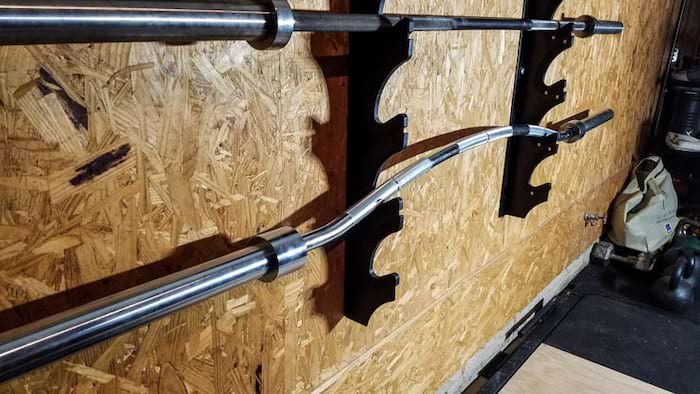
- Storage: Store the bar in a dry place to prevent rust and damage; consider using a wall mount or rack.
Routine care will enhance the lifespan and performance of your Duffalo Bar.
Impact on Strength Training Communities
The introduction of the Duffalo Bar has significantly influenced strength training practices. Its ergonomic design has led to the following trends:
- Increased awareness of joint health: Lifting communities are now more focused on equipment that promotes safety and comfort.
- Emerging popularity of curved bars: Lifters are increasingly exploring variations in bar design to enhance performance.
- Inclusivity in fitness: The Duffalo Bar caters to various body types, promoting a more inclusive approach to strength training.
As the Duffalo Bar continues to gain traction, it is reshaping how athletes approach their training routines, underscoring the importance of ergonomic designs in fitness equipment.